Table of Contents
Best Coding Camps For Kids and Teens (2026)
The article is also available in audio
“By teaching our children to code, we’re not just creating programmers; we’re nurturing the problem solvers, thinkers, and innovators of the next generation.”
What is CodaKid’s Coding Camp For Kids?
“CodaKid’s online kids coding camps are designed to inspire and educate children through an engaging online platform, offering courses in coding, game development, and design. These award-winning camps present an opportunity for young learners to dive into the world of technology, develop valuable coding skills, and express their creativity in a supportive and interactive environment. By participating in these camps, children can make significant strides in their technological proficiency while enjoying a fun and enriching summer experience. For more detailed information on the best coding camps for kids, please visit CodaKid’s website.” – David Dodge, Founder of CodaKid
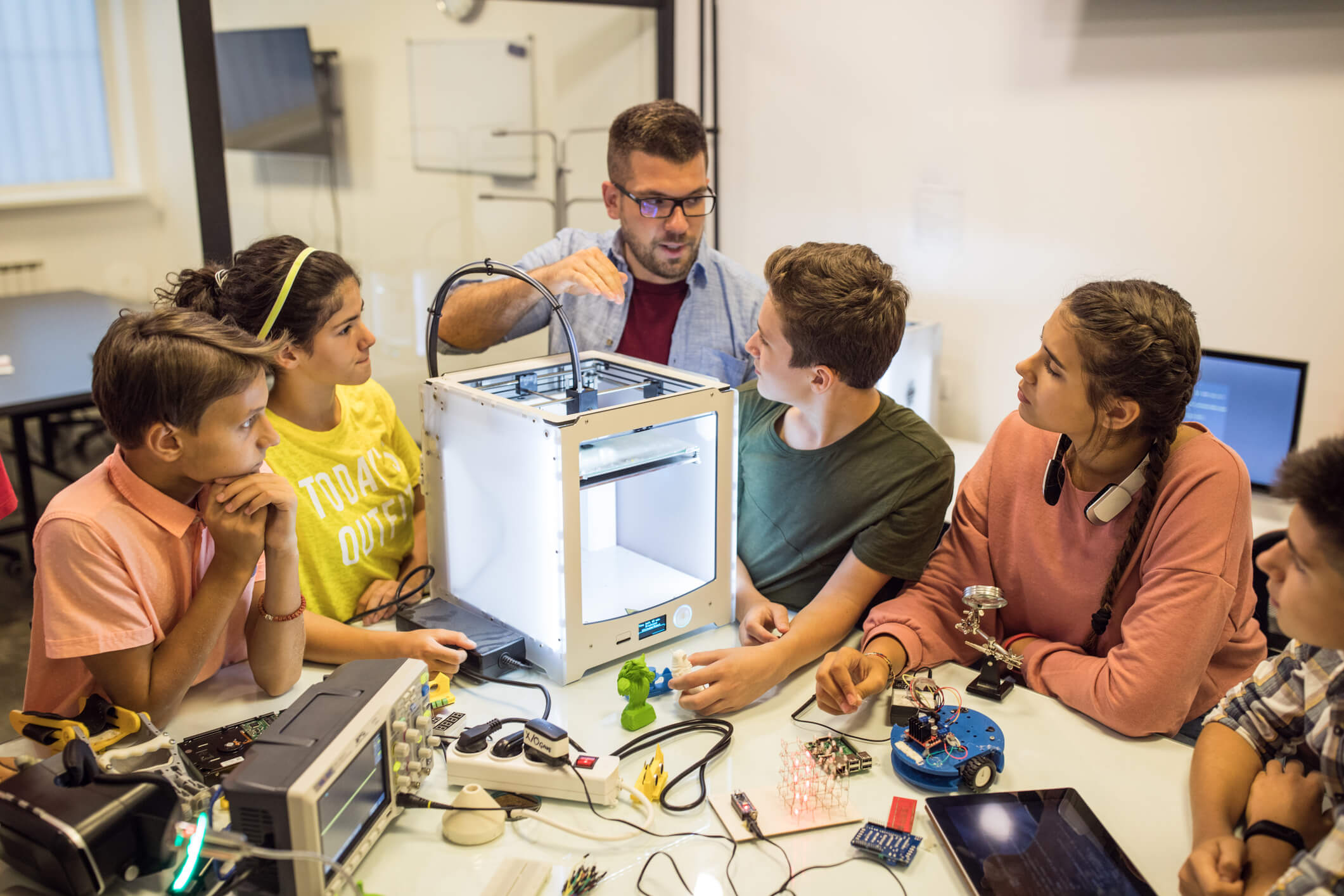
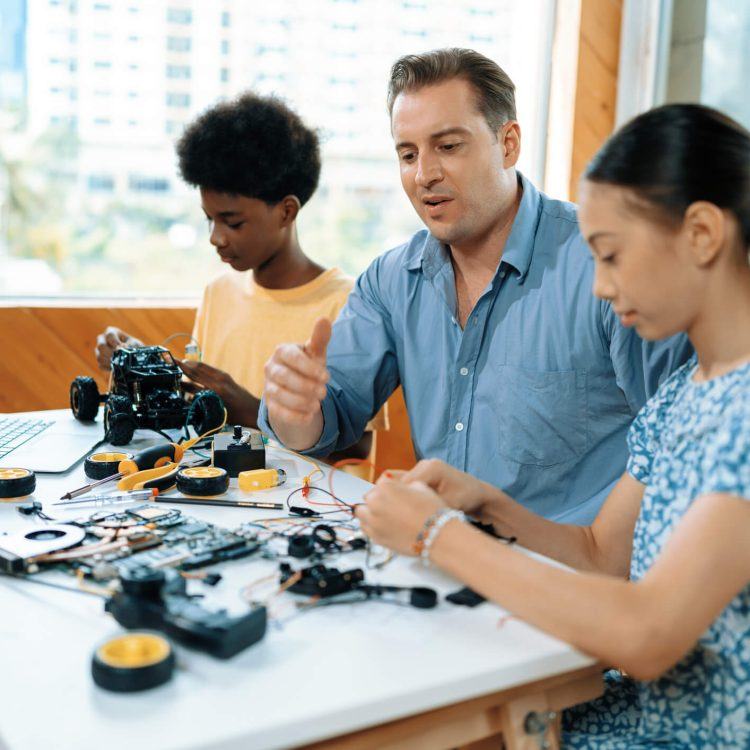
Transform your child’s passion for technology into a thrilling educational journey. Guided by our expert team, CodaKid camps offer children the opportunity to acquire essential tech competencies while forming new friendships. It’s a memorable and enjoyable learning venture!
What is a Children’s Educational Coding Camp?
A children’s educational coding camp is like a big playground for your brain where you get to play and create with computers!Imagine telling a computer what to do—building video games, creating cartoons, or programming a robot to dance. At camp, you’ll meet puzzle and game-loving kids and together learn the secret language of computers. It’s a bit like learning to write magic spells, but instead of wands, we use keyboards. Expert coding teachers will show you all the tricks to bring your ideas to life on screen. It’s a place to learn, have fun, and turn your imagination into something real and cool!
At a coding camp, kids embark on an exciting adventure, learning the language of computers—coding! It’s not just about typing lines of code; it’s about solving puzzles, being creative, and thinking like a detective. They start with the basics, understanding what coding is and how it’s used to make websites, games, and even robots. Kids learn Scratch for creating stories and games, or Python, used by real programmers to build apps and software.
Teamwork and Collaboration
But it’s not all screen time. Kids also learn about teamwork and collaboration. Like team sports, coding camp kids collaborate on projects, sharing ideas and solving problems together. They learn to listen to others and how combining ideas leads to amazing results. They also develop resilience and problem-solving skills. Coding challenges teach kids to try again, think creatively, and learn from mistakes—valuable skills in coding and life.
These camps also teach digital citizenship, helping kids understand the importance of being responsible and respectful online. They discuss topics like internet safety, protecting personal information, and the impact of technology on society. This holistic approach prepares kids not just to be skilled in coding, but to be thoughtful and ethical digital citizens. By camp’s end, kids are not only tech-savvy but tech-wise, understanding the responsibility that comes with technology.
“Teaching kids to code is not just about programming computers, it’s about programming the future with infinite possibilities.”
Our Coding Camps
At our Coding Camps, we’re dedicated to igniting your child’s passion for technology and equipping them with valuable coding skills. Our camps offer a dynamic environment where kids explore computer science, make new friends, and create lasting memories. We offer hands-on, personalized camps tailored to all skill levels, from video game development to robotics and beyond. Join us for an enriching experience that empowers your child to thrive in the digital age.
While our main emphasis is on coding during after-school sessions, we also provide summer camps! Our coding camps give children a fantastic opportunity to explore computer science at their own pace. CodaKid camps cover video games, robotics, Minecraft, Roblox, JavaScript, HTML/CSS, and mobile game development.

How and What Do They Teach Kids in Coding Camps?
In coding camps designed for children, the educational journey starts with the basics of computer programming. It gradually advances to more complex concepts tailored to the children’s age and skill levels. Kids learn hands-on by building their own animations, video games, and websites at these camps. Project-based learning lets kids see immediate results, fostering accomplishment and encouraging continued growth.
The curriculum includes beginner-friendly languages like Scratch, Python, or JavaScript, tailored to each age group and camp focus. Scratch is a visual, block-based language letting kids create stories, games, and animations without complex syntax. For older kids, Python offers a powerful yet approachable language for web development, data analysis, and more.
Moreover, coding camps place a strong emphasis on developing soft skills alongside technical abilities. Children learn to think logically and solve problems creatively as they debug their code or optimize a feature. Collaborative projects and team-based challenges also promote communication, teamwork, and leadership skills. The goal is to equip kids with versatile skills applicable to life and future career paths, beyond just coding. Kids leave coding camp with programming foundations and valuable skills in perseverance, collaboration, and creative thinking.
“In the world of zeros and ones, every child who learns to code gains a language to shape their reality and dreams.”
Online Kids Summer Coding Camps By Subject
Explore a variety of captivating subjects in our Online Kids Summer Coding Camps.
- Coding Camps: Dive into the world of game development, website creation, and more with coding camps designed for kids of all skill levels.
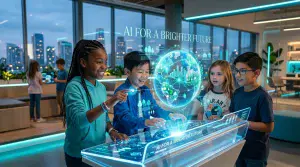
- Artificial Intelligence Camps: Secure your spot in our Artificial Intelligence camps to delve into AI app development and uncover the transformative impact of AI on our world.
- Minecraft Camps: Enroll in Minecraft coding camps to master modding and game design within the popular gaming platform.
- Python Camps: Discover Python coding camps and delve into one of the most widely used programming languages, favored by industry giants like Netflix and Google.
- Roblox Camps: Immerse yourself in Roblox coding camps and craft your own unique Roblox world and games.
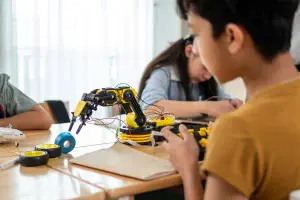
- Robotics Camps: Embark on a journey of discovery in robotics camps, where you’ll explore the creation of smart devices, AI applications, and robots.
- Scratch Camps: Participate in Scratch coding camps to swiftly design your engaging games.
- STEM Camps: Engage in STEM camps catering to beginners and advanced students alike, offering a holistic exploration of robotics, space, technology, and more.
- Science Camps: Join our top-notch science camps and embark on exciting adventures exploring the wonders of the world and beyond.
- Art Camps: Unleash your creativity in art camps, where you’ll learn foundational design principles and essential digital art skills.
“Coding for kids is like giving them a magic wand. With it, they can transform their ideas into reality, one line of code at a time.”
What is Taught at a Coding Camp Specializing in Scratch?
A Scratch coding camp introduces programming concepts through a visually engaging, user-friendly platform tailored for young learners. Scratch, developed by MIT Media Lab, uses a block-based interface that eliminates the need for complex coding. This approach not only makes programming accessible to beginners, especially children but also fosters creativity and logical thinking. Campers learn algorithmic thinking and computer science basics, turning creative ideas into interactive stories, games, and animations.
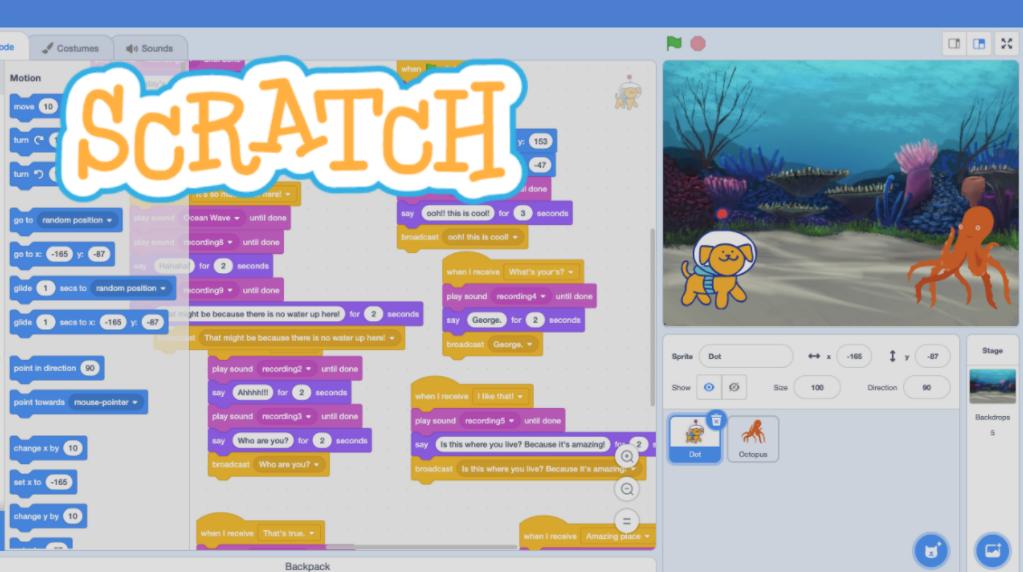
Scratch camp curriculum caters to all skill levels, ensuring every participant finds learning both challenging and rewarding. Beginners might start with understanding the Scratch interface, and learning how to manipulate and combine blocks to perform specific actions. As kids progress, they learn loops, conditionals, variables, and event handling through hands-on doing. Projects are central to the experience, encouraging students to apply their learning in creative, personalized ways.
Collaboration, Problem-Solving, and Critical Thinking
Moreover, these camps emphasize collaboration, problem-solving, and critical thinking. Kids work in pairs or small groups to brainstorm, critique, and troubleshoot, building communication and teamwork skills. The supportive environment lets learners experiment, learn from mistakes, and persevere—invaluable skills that extend far beyond coding.
Participants leave with a solid programming foundation and a mindset geared toward continuous learning and innovation. A Scratch coding camp is more than technical training—it’s a transformative experience equipping young minds for the digital world.
What is Taught at a Coding Camp Specializing in Python?
A Python coding camp offers an in-depth exploration of one of the world’s most versatile programming languages. Python’s simplicity suits beginners, while its powerful libraries keep it relevant for web development, data analysis, and AI. Campers learn Python’s syntax, data types, and control structures, building a solid foundation for writing efficient code.
The curriculum progresses from basic concepts to complex paradigms like object-oriented programming, functional programming, and error handling. Students work with Python’s standard library and popular tools like NumPy, Pandas, and Matplotlib for data and visualization. Participants tackle real-world problems by automating tasks, analyzing data, and building web apps with Flask or Django.
Practical, Hands-on Learning
Coding camps specializing in Python also emphasize practical, hands-on learning. Through individual and group projects, participants apply what they’ve learned in a collaborative setting, simulating real-world software development processes. These projects encourage creativity, problem-solving, and the application of best practices in coding and project management.
Additionally, camps often include sessions on version control with Git, debugging techniques, and code reviews, preparing attendees for professional environments. Campers leave with strong Python skills and the foundation needed for future academic or career opportunities in technology.
What is Taught at a Coding Camp Specializing in JavaScript?
A JavaScript coding camp explores one of the most essential and ubiquitous languages in modern web development. JavaScript’s role as the backbone of web interactivity makes it a critical skill for aspiring web developers. The curriculum begins with JavaScript fundamentals, including syntax, variables, data types, and control structures. This foundational knowledge equips participants to understand how JavaScript interacts with HTML and CSS to create dynamic web content.
As campers progress, they explore DOM manipulation, event handling, and asynchronous programming with promises and async/await. These skills are crucial for building interactive web apps that respond to users and fetch data seamlessly. Campers also learn modern ES6+ syntax, functional programming, and JavaScript modules for efficient, organized code.

Camps also explore popular frameworks and libraries that enhance JavaScript’s capabilities and streamline development. Campers gain hands-on experience with React, Angular, Vue.js, Node.js, and Express for front-end and server-side development.
These tools allow participants to build full-stack applications, understanding both client-side and server-side development. Collaborative projects, debugging sessions, and code reviews simulate real-world workflows, helping campers apply knowledge to practical challenges. Campers leave with comprehensive JavaScript knowledge and web development skills, well-positioned for careers in software development.
What is Taught at a Coding Camp Specializing in HTML/CSS?
An HTML and CSS coding camp builds the foundational skills necessary for web development and design. The curriculum covers both basic and advanced aspects of web design using these essential web languages.
Participants begin with an introduction to HTML, learning how to structure web pages using tags, elements, and attributes. This foundation enables students to create the skeleton of a website, including headings, paragraphs, links, images, and lists. As they become more comfortable with HTML, the focus shifts to CSS, which is used to style these elements.
Attendees learn how to apply colors, fonts, and layouts, gaining the ability to control the visual appearance of web pages. Campers learn the box model, flexbox, and grid systems for designing responsive layouts across all screen sizes.
Interactive Features
The curriculum extends to CSS animations and transitions, enhancing user experience without requiring complex JavaScript. Campers explore web design best practices and accessibility standards, ensuring websites are usable for all users.
Advanced modules introduce SASS or LESS, extending CSS with variables, nested rules, and mixins for scalable stylesheets. Throughout the camp, hands-on projects play a central role, allowing learners to apply their skills in creating professional-quality websites. Campers leave with strong HTML and CSS skills and a portfolio of attractive, responsive, and accessible web pages. This practical experience is invaluable for anyone looking to pursue a career in web development, web design, or related fields.
What is Taught at a Coding Camp Specializing in Java?
A coding camp specializing in Java immerses participants in one of the most robust and enduring programming languages in the technology industry. Java, known for its portability, performance, and extensive use in everything from web applications to enterprise software and mobile apps, serves as an excellent foundation for understanding core programming concepts and object-oriented programming (OOP) principles.
The curriculum typically starts with the basics of Java syntax and programming constructs, including variables, data types, loops, and conditionals. This foundational knowledge is crucial for writing clean and efficient Java code. As participants become more comfortable with these concepts, the camp introduces more complex topics such as classes and objects, encapsulation, inheritance, and polymorphism. These OOP principles are essential for designing robust and scalable software systems.
API (Application Programming Interface)
Beyond OOP, attendees learn about Java’s rich API (Application Programming Interface), including collections, streams, and concurrency models, which are vital for building complex applications. Error handling and exception management are also covered, teaching participants how to write reliable and fault-tolerant code. Additionally, the camp may explore the development of graphical user interfaces (GUIs) using Swing or JavaFX, providing a more interactive and engaging user experience.
Advanced topics often include an introduction to Java development frameworks like Spring or Hibernate, which are widely used in enterprise software development for dependency injection, aspect-oriented programming, and object-relational mapping, respectively. Participants also gain hands-on experience with software development tools and practices, such as version control with Git, unit testing with JUnit, and building automation with Maven or Gradle.
Through project-based learning, attendees apply what they’ve learned in a practical context, often culminating in the development of a comprehensive Java application. These projects not only reinforce learning but also enable participants to showcase their skills to potential employers. By the end of the camp, attendees have a deep understanding of Java programming, equipped with the skills and knowledge to pursue professional opportunities in software development or further specialize in areas like Android app development, web development, or enterprise software solutions.
“Every child who learns to code today is an architect of tomorrow, building bridges to unseen worlds and solutions to unimagined problems.”
What is Taught at a Coding Camp Specializing in Minecraft?
A coding camp specializing in Minecraft offers an engaging and educational experience that leverages the immense popularity and immersive world of Minecraft to teach programming and problem-solving skills. Minecraft, a sandbox video game that allows for endless creation and exploration, serves as an ideal platform for introducing young learners to the basics of coding in an interactive and fun environment.
The curriculum typically starts with the fundamentals of game design and logic, using Minecraft as a hands-on tool for teaching these concepts. Participants learn how to use Minecraft’s Redstone, a virtual engineering tool within the game, to create simple machines and logic circuits. This introduction to Redstone’s in-game physics and engineering principles lays a foundational understanding of computational thinking.
More Advanced Programming Concepts
As the camp progresses, attendees are introduced to more advanced programming concepts through Minecraft’s modding (modification) capabilities. Using platforms like Minecraft Forge or Fabric, participants learn how to develop custom mods, which can add new items, creatures, and gameplay mechanics to the game. This part of the curriculum often involves learning a programming language, such as Java, which is used to create mods for Minecraft. Through modding, students gain hands-on experience with coding, from understanding syntax and control structures to more complex concepts like object-oriented programming and event-driven programming.
Moreover, many Minecraft coding camps incorporate collaborative projects, where students work together to design and build their own Minecraft worlds or complete specific challenges. These projects not only reinforce programming and game design skills but also foster teamwork, creativity, and problem-solving abilities. Additionally, camps may cover aspects of server setup and management, giving participants insights into how multiplayer servers operate and are customized.
By the end of the camp, participants have not only improved their technical skills by learning to program within the context of Minecraft but also developed a deeper appreciation for the creativity and problem-solving involved in game design and development. This unique approach to learning makes Minecraft coding camps an effective and memorable way to engage with computer science, offering a strong foundation for further exploration in programming and game development.
What is Taught at a Coding Camp Specializing in Roblox?
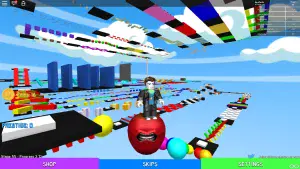
A coding camp specializing in Roblox offers an innovative and interactive platform for learners to dive into the world of game development and programming. Roblox, a global platform where millions of people gather to create, share, and play games (or “experiences”), enables users to design their games without needing to start from scratch. The camp curriculum is designed to leverage this environment, teaching participants how to use Roblox Studio, the development tool used to create Roblox games, and Lua, the scripting language used to program game mechanics within Roblox.
The program typically begins with an introduction to Roblox Studio, guiding attendees through the basics of game design, including setting up environments, creating objects, and manipulating the properties of game components. This foundational knowledge allows students to start building their own simple games and interactive experiences early in the course.
Roblox Studio Interface
As participants become more comfortable with the Roblox Studio interface, the camp introduces Lua programming. Starting with Lua basics such as variables, loops, and conditional statements, students gradually progress to more complex concepts such as functions, tables, and event-driven programming. This step-by-step approach ensures that by the end of the camp, attendees are proficient in using Lua to control game dynamics, manage player interactions, and customize the gameplay experience.
Advanced topics might include designing GUIs (Graphical User Interfaces) for games, implementing game economy systems with Robux (Roblox’s virtual currency), and understanding the principles of game monetization within the Roblox ecosystem. Participants also learn about multiplayer game development, exploring how to use Roblox’s built-in tools to manage player data and create shared experiences.
Collaboration and project-based learning are key components of the camp, with students often working in teams to develop their own Roblox games. These projects not only reinforce the technical skills learned but also foster soft skills like teamwork, problem-solving, and project management. By the end of the camp, participants had not only developed their own playable Roblox games but also gained a comprehensive understanding of game development principles, programming with Lua, and the unique opportunities and challenges of creating games on the Roblox platform. This experience provides a solid foundation for aspiring game developers and programmers, equipping them with the skills and confidence to explore further opportunities in technology and digital creativity.

List of The Best Coding Camps For Kids and Teens
Here’s a list of the best coding camps for kids and teens, tailored to various interests and skill levels in coding, tech, and STEM:
- CodaKid specializes in teaching game design, drone programming, web development, Minecraft, and Roblox development to beginners ages 6 to 16. The camp’s approach focuses on problem-solving and learning through interactive video courses, which is ideal for independent learners. Additionally, CodaKid offers one-on-one and small group classes, providing live sessions with U.S. instructors to cater to students’ specific learning needs without switching teachers, ensuring a consistent and personalized learning experience.
- Coding with Kids camps are available online and also in-person in select cities such as Seattle, Portland, Phoenix, and morwe. The Coding with Kids camps are taught in small group formats and are reasonably priced for camps in the United States.
- iD Tech Camps are available online and on-campus, covering a wide range of tech topics from Minecraft and Roblox to robotics and STEM, tailored for ages 7-19. They’re known for their quality instruction and wide variety of courses.
- Create & Learn offers a range of live online coding camps covering topics from Roblox and Scratch to AI with ChatGPT and mobile app development. They have specific courses for different grades, from 2nd to 12th, ensuring a match for every skill level and interest.
- The Coding School provides a summer filled with Emerging Tech Education including camps and research opportunities in AI, Quantum Computing, Cybersecurity, and more. They offer unique experiences like quantum computer coding and a Columbia University Data Science Program for grades 6-12.
Other Coding Camps for Kids and Teens
- Camp Integem is perfect for children and teens aged 5-18 interested in Holographic AR coding and design, Python, 3D game design, AI, and Robotics. They offer both online and in-person camps with a focus on immersive AR game design and AI robotics coding
- CodeAdvantage organizes online coding camps with live instructors for children aged 6-13. Their curriculum includes 3D video game design, Scratch, Python, and Minecraft/Roblox coding, emphasizing logical thinking and creativity.
- PlanetBravo has been offering technology camps in Los Angeles for over 20 years, teaching various aspects of technology, including different coding languages and game-making for students of a wide range of ages).
- Young Wonks provides coding and engineering classes for ages 8-18, covering IoT, robotics, game development, and a progression from Scratch to Python, emphasizing real-world application.
- Lavner Camps offer STEM camps with flexible payment options and promotions, including discounts for multiple weeks and referrals. They cater to a broad age range and offer a variety of tech-focused topics.
Unique Opportunities for Kids
These camps offer kids unique opportunities to explore coding, from beginner to advanced levels, in engaging environments.
FAQs
What age is appropriate for kids to start coding camp?
Most coding camps welcome children as young as 6 years old, with programs available up to age 18. CodaKid’s camps are designed for ages 6–16, with courses tailored to each stage of development. Younger children typically start with visual, block-based languages like Scratch, while older kids progress to Python, JavaScript, and Java. There is no “too early” — the sooner kids are introduced to computational thinking, the more confident they become with technology.
Are online coding camps as effective as in-person camps?
Yes — for most kids, online coding camps are equally effective and often more convenient. CodaKid’s online camps offer live one-on-one and small group sessions with U.S.-based instructors, round-the-clock expert support, and self-paced video courses kids can revisit anytime. Without the constraints of location or commute, children can focus entirely on learning. Studies consistently show that personalized, project-based learning — the model most online camps use — produces strong outcomes regardless of format.
How much do coding camps for kids cost?
Coding camp costs vary widely depending on format, duration, and provider. Online camps typically range from $50–$300 per week for group sessions, while one-on-one instruction can run $200–$500 per month. In-person residential camps tend to be more expensive, often ranging from $500–$2,000+ per week. CodaKid offers flexible monthly plans designed to make high-quality coding education accessible without a large upfront commitment. Many camps also offer free trials, sibling discounts, or multi-week pricing.
What coding language should kids learn first?
Scratch is widely considered the best first coding language for children ages 6–10. Its drag-and-drop, block-based interface teaches core programming logic — sequences, loops, conditionals — without the barrier of syntax. For kids ages 10 and up, Python is the most recommended first text-based language: it’s readable, beginner-friendly, and used professionally in web development, data science, and AI. JavaScript is a strong choice for kids interested specifically in building websites and interactive apps.
Do kids need any prior experience to attend a coding camp?
No prior experience is needed. The best coding camps — including CodaKid — specifically welcome complete beginners. Our courses start from zero, introducing concepts gradually through hands-on projects that build confidence alongside skills. Instructors are trained to meet each child at their current level. Whether your child has never written a line of code or already has some experience, there is a camp and curriculum designed for exactly where they are.
Conclusion
In 2026, diverse coding camps for kids reflect the field’s evolution, sparking enthusiasm and building essential programming skills.
CodaKid offers a comprehensive curriculum covering Java, Lua, and Python for Minecraft, Roblox, and game programming. We meticulously design our courses for different age groups and skill levels, emphasizing practical coding skills through hands-on projects. We make coding accessible and fun for kids, with 24/7 expert support guiding beginners to proficient coders.
Camps like Actualize, App Academy, and BrainStation excel in full-stack development, data science, and digital product management. While these camps share a commitment to high-quality education and career readiness, their approaches may differ from CodaKid’s child-centric approach.
Choosing the best coding camp means matching its offerings to your child’s interests, learning style, and goals. Our goal is to inspire and prepare students for the digital era, regardless of platform or language. In 2026, diverse coding camps ensure a suitable learning environment for every young coder.