Coding helps kids become better in problem-solving by teaching them how to break down complex tasks, identify patterns, and create step-by-step solutions. These problem-solving skills are not just for programming – they apply to schoolwork, social situations, and everyday challenges.
- Decomposition: Break big problems into smaller, manageable tasks.
- Pattern Recognition: Spot similarities to solve problems faster.
- Abstraction: Focus on what matters by filtering out unnecessary details.
- Algorithm Design: Plan clear, step-by-step instructions.
- Debugging: Learn persistence by fixing mistakes and testing solutions.
Schools are incorporating coding into their curriculum because it builds logical thinking, resilience, and creativity. Programs like CodaKid use real programming languages like Python and JavaScript to teach kids practical skills through engaging projects, such as game development and web design. These activities make learning fun while preparing kids for the challenges of tomorrow.
Table of Contents
Research Findings: How Coding for Kids Improves Problem-Solving
Research indicates that learning to code significantly boosts children’s problem-solving skills. By engaging in coding, kids learn to test ideas, fine-tune strategies, and develop sharper analytical abilities. It also enhances their mathematical reasoning and spatial awareness, creating a solid foundation for tackling challenges.
Mental and Learning Benefits of Coding for Kids
Participating in coding programs encourages creative thinking and helps students develop innovative approaches to solving problems. Debugging code, for instance, sparks reflective questions like “Why didn’t this work?” or “What should I try next?” This process not only improves coding skills but also strengthens broader learning abilities, such as self-assessment and metacognitive thinking, which are essential for adapting to new challenges.
Benefits for All Types of Learners
Coding offers unique advantages for students who may struggle with traditional teaching methods. Its flexible approach often incorporates visual, auditory, and hands-on elements, making it accessible to a wide range of learning styles. This inclusivity allows students from various backgrounds and abilities to build critical problem-solving skills that go far beyond the classroom. These findings provide a strong basis for exploring the specific techniques and strategies students develop through coding.
Coding for Kids | CodaKid Online Coding School
How Coding Develops Problem-Solving Skills
Coding helps kids sharpen their problem-solving abilities by teaching them how to break down complex issues, think logically, and learn from their mistakes. These skills aren’t just for programming – they carry over into schoolwork, social interactions, and everyday life.
The way coding works is a lot like how effective problem-solvers approach tough situations. It teaches a step-by-step mindset that becomes second nature, helping kids handle everything from tricky math problems to organizing group projects. Let’s dive into some of the specific techniques kids pick up when they learn to code.
Key Problem-Solving Methods Taught Through Coding
Decomposition is one of the first skills kids learn. When faced with a big programming task, they’re taught to break it into smaller, more manageable pieces. For example, building a simple game involves several steps: designing characters, programming movements, adding sound effects, and creating a scoring system. This same strategy can make overwhelming homework assignments feel more doable by turning them into bite-sized tasks.
Pattern recognition comes naturally as kids code. They start spotting similarities between different challenges and use solutions that worked before to tackle new problems. This is especially handy in subjects like math, where identifying patterns in equations can speed up problem-solving.
Abstraction helps kids focus on what’s important. In coding, they learn to filter out unnecessary details and zero in on the essential logic their program needs to function. This skill translates to activities like reading comprehension, where students must identify the main idea and set aside less critical information.
Algorithm design teaches kids how to create clear, step-by-step instructions to solve problems. Writing precise sequences in code mirrors planning skills they can use in everyday life, like organizing a school project or following a recipe.
Debugging might be the most relatable skill of all. When something in their code doesn’t work, kids learn to identify the problem, test solutions, and verify fixes. This process builds persistence and logical thinking, which are valuable in any situation where things don’t go right the first time.
Together, these skills form the foundation of computational thinking, which offers a structured way to approach challenges.
How Computational Thinking Helps
Computational thinking frames problems as puzzles that can be solved through logical steps. It has four main components that make tackling challenges more manageable.
Logical sequencing teaches kids that most problems require steps to be completed in a specific order. Just as code must follow a sequence to run correctly, many real-world challenges also unfold step by step. Recognizing these sequences makes even complicated tasks feel more approachable.
Conditional thinking comes from coding’s if-then logic. Kids learn to plan for different scenarios and adapt their responses based on what happens. This skill is invaluable in social situations, where understanding context and adjusting behavior is key.
The iterative approach in coding shows kids that solutions often need multiple attempts and adjustments. Instead of getting frustrated, they learn to embrace trial and error as part of the process.
Systems thinking helps kids see how different parts of their code interact. They begin to understand how changing one thing can affect the whole system, which builds a strong sense of cause and effect. This awareness helps them make better decisions by considering the broader impact of their actions.
With these tools, kids gain the confidence to tackle unfamiliar problems head-on. Having a reliable framework for breaking challenges into manageable pieces encourages them to take on new situations rather than shy away from them – an essential skill as school subjects grow more demanding.
Case Study: Game-Based and Project-Based Coding Programs
Kids learn problem-solving faster when they’re genuinely engaged. Traditional lecture-style programming classes often struggle to keep children interested, but game-based and project-based learning turns coding into a hands-on, interactive experience that encourages critical thinking.
When kids work on projects that excite them – like designing their own video games or building interactive websites – they face real challenges that demand practical problem-solving. Unlike abstract exercises, these projects present obstacles that mimic the kinds of situations they’ll encounter in everyday life.
This emotional connection to their work is a game-changer. When kids care about their projects, they’re more motivated to debug persistently and think creatively to overcome challenges. This shift from passive learning to active creation aligns with the hands-on approach seen in CodaKid’s programs.
CodaKid‘s Approach to Teaching Coding for Kids Through Problem-Solving
CodaKid shows that effective problem-solving starts with using real programming languages and professional tools, not simplified, toy-like systems. Their focus is on giving kids authentic coding experiences that mirror the work of professional developers.
Through self-paced courses and 1:1 lessons, CodaKid ensures kids can tackle challenges at their own speed while receiving personalized guidance. Instructors help students pinpoint struggles with tasks like debugging or breaking down problems into smaller steps, offering tailored support based on the student’s own project.
CodaKid’s virtual camps add a collaborative element to the mix. Kids work together on coding challenges, learning not just how to solve problems but also how to communicate their thought processes and learn from their peers’ approaches.
What sets CodaKid apart is its use of real programming languages like Python, JavaScript, and Java. By writing actual code, kids develop authentic debugging skills, such as reading error messages, tracing their logic, and testing solutions – just like professional coders do every day.
Game-Based and Project-Based Learning in Action
Real-world examples like Minecraft modding, Roblox game development, and web projects highlight the power of game-based and project-based learning.
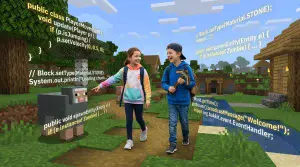
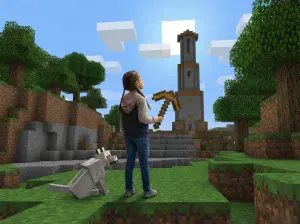
Minecraft modding is a perfect example of how game-based learning builds problem-solving skills. Say a child wants to add a custom weapon or a new type of building block to Minecraft – they’ll need to think through how it fits into the game’s existing mechanics, anticipate potential issues, and test their creation. This process naturally teaches systems thinking, as kids quickly discover how changing one element can ripple through the entire game.
Roblox game development offers a different set of challenges. Creating games for Roblox pushes kids to think about user experience and balance, encouraging them to approach problems from multiple perspectives. Debugging issues in a game they care deeply about keeps them motivated, even during tough troubleshooting sessions.
Web development projects introduce yet another layer of problem-solving. When kids design their own websites, they must tackle challenges related to design, functionality, and user interaction. They learn to balance aesthetics with usability, ensuring their site looks good and works smoothly on various devices.
These projects also teach kids that problem-solving is a process. Rarely do they nail it on the first try. Instead, they start with something basic, test it, identify issues, and refine their work. This iterative process mirrors how professionals solve problems in the real world.
Another benefit of project-based learning is the development of communication skills. When kids share their games or websites with friends and family, they receive feedback that helps them spot issues they might have missed. Learning to take this feedback constructively is a valuable skill that goes far beyond coding.
Conclusion: Getting Kids Ready for Tomorrow Through Coding
Research highlights that learning to code nurtures critical problem-solving skills that benefit children throughout their lives, regardless of whether they enter technology-related fields or not.
Coding transforms learning into a hands-on problem-solving experience. When kids dive into coding, they develop computational thinking, a skill that teaches them to break down complex problems into smaller, manageable steps. They learn to approach challenges methodically, test their solutions, and adapt when things don’t go as planned. These abilities extend beyond coding, proving useful in academics, future careers, and even daily life.
The confidence kids gain from debugging code or completing a project cannot be overstated. Tackling coding challenges helps them build a growth mindset, showing them that obstacles are learning opportunities rather than setbacks. This resilience becomes a key strength as they navigate more demanding situations in school and beyond. Coding also teaches an important lesson: failure is part of the journey. Through trial and error, kids develop adaptability and persistence – qualities that will serve them well in any endeavor.
For parents looking to introduce their children to coding, programs like CodaKid offer a structured and accessible way to get started. With options such as self-paced courses starting at $29 per month, private 1:1 lessons at $249 per month, and virtual camps, CodaKid provides flexible solutions to fit different needs and budgets. Using real-world programming languages like Python and JavaScript, these courses help kids build genuine coding skills.
Investing in coding education today prepares children for tomorrow’s increasingly digital world. The problem-solving and computational thinking skills they develop will become even more valuable as technology continues to shape our lives. Starting early allows kids to build these abilities naturally, giving them a solid foundation for academic success and future opportunities, no matter what path they choose.
FAQs
How does learning to code at a young age help kids solve everyday problems?
Learning to code early in life equips kids with essential skills like critical thinking, creativity, and logical reasoning – abilities that extend well beyond the realm of technology. By learning to break complex problems into smaller, more manageable parts, children gain the confidence and structure needed to approach challenges in a thoughtful and systematic way.
Coding also teaches resilience through trial and error. Kids learn to view mistakes as opportunities to refine their approach, building adaptability and persistence. These problem-solving abilities can easily be applied to everyday situations, enabling kids to handle challenges with resourceful and practical solutions.
Why is learning real programming languages like Python and JavaScript beneficial for kids?
Learning programming languages like Python and JavaScript equips kids with skills that go beyond coding. It sharpens their problem-solving abilities, encourages critical thinking, and sparks creativity. Plus, these are the same tools professionals use in the tech world, giving kids a taste of real-world applications.
Python stands out for its straightforward syntax and a vast collection of libraries, making it an ideal choice for beginners. It helps kids grasp core programming concepts quickly while allowing them to dive into exciting projects. On the other hand, JavaScript opens the door to creating interactive web applications, offering insights into how technology influences our daily lives. Mastering these languages gives children a solid footing for future academic pursuits and careers in tech.
How can parents encourage their kids to explore coding and develop problem-solving skills at home?
Parents can spark their kids’ interest in coding and problem-solving by introducing fun activities like coding games or beginner-friendly programming challenges. Encouraging them to tackle their own projects – whether it’s designing a simple game or creating a basic app – can help build confidence and ignite their imagination.
Another way to nurture their curiosity is by asking open-ended questions and demonstrating how to approach problems thoughtfully. Parents can also connect their children with coding clubs or online communities where they can share ideas, collaborate, and learn from peers. And don’t forget: celebrating their achievements and making the process enjoyable can turn learning into a truly rewarding experience!