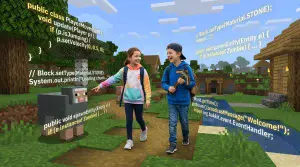
Teaching technology at home is essential for preparing your child for a tech-driven future. Here’s why and how to get started on your child’s homeschool tech curriculum:
- Why It Matters: Technology skills like coding, AI, and web development improve problem-solving, critical thinking, and creativity. They’re also in demand for jobs and college preparation.
- Key Topics: Start with basics like Scratch for younger kids, then move to Python, JavaScript, AI, and game/web development as they grow.
- Age-Specific Learning: Tailor lessons by grade:
- Elementary (K-5): Focus on digital literacy and visual programming.
- Middle School (6-8): Introduce text-based coding and hands-on projects.
- High School (9-12): Dive into advanced programming, AI, and building portfolios.
- Resources: Platforms like CodaKid offer self-paced courses, private lessons, and project-based learning. Scratch and GitHub Pages are great additional tools.
- Tracking Progress: Use project portfolios, certifications, and regular evaluations to monitor growth and adjust the curriculum as needed.
Table of Contents
Stop Building Games the Hard Way – Use Roblox AI
Core Components of Homeschool Tech Curriculum
A well-rounded tech curriculum for homeschoolers combines various subjects, teaching methods, and age-appropriate material to create a strong foundation for future learning. These elements set the stage for the essential topics discussed below.
Main Technology Topics to Teach
Programming and Coding are at the heart of any technology curriculum. For younger learners, start with visual tools like Scratch, which make coding fun and accessible. As they grow, introduce professional programming languages such as Python, JavaScript, and Java, equipping them with skills they can apply in practical, real-world scenarios.
Artificial Intelligence and Machine Learning are becoming vital as AI becomes a part of everyday life. Teaching kids about AI not only demystifies the technology they interact with daily but also prepares them to create their own AI-powered projects.
Web Development introduces children to how websites and web apps are built. By learning HTML, CSS, and JavaScript, they gain hands-on experience in both design and coding, enabling them to create interactive and functional websites.
Game Development is another engaging way to teach programming. By building their own games using professional tools and languages, kids learn core coding concepts while staying motivated through the creative process.
Digital Literacy and Computer Skills cover essential basics like operating a computer, managing files, and practicing internet safety. These foundational skills are critical and support learning in all other areas of technology.
Benefits of Teaching Technology at Home
Incorporating technology into homeschool tech curriculum sharpens problem-solving abilities and encourages logical thinking across different subjects. Coding, for instance, bolsters skills in math, science, and even writing by fostering a systematic approach to problem-solving.
Tech education also sparks creativity, allowing kids to shift from being consumers of technology to creators. This transformation not only enriches their learning but also provides a competitive advantage for college, internships, and future careers. The process of debugging and troubleshooting in coding further enhances critical thinking, as students learn to analyze issues and test solutions effectively.
How Technology Education Fits K-12 Grade Levels
The impact of tech education evolves with age, making it essential to adapt the curriculum to each stage of a child’s development. Here’s how technology fits into K-12 education:
Elementary School (Grades K-5):
For children ages 5–10, the focus is on building confidence with basic digital skills. They learn foundational concepts like mouse and keyboard use, file management, and internet safety. Visual programming tools and drag-and-drop platforms like Scratch help them create simple animations and games, nurturing logical thinking in a fun, interactive way.
Middle School (Grades 6-8):
At this stage, students ages 11–13 dive into more structured programming with text-based languages like Python or JavaScript. They work on projects like game development and web design, learning key concepts such as variables, loops, and conditionals. These projects grow in complexity, offering immediate feedback and reinforcing their problem-solving skills.
High School (Grades 9-12):
For students ages 14–18, the focus shifts to advanced programming and specialized fields like artificial intelligence and machine learning. They explore multiple programming languages, contribute to open-source projects, and develop sophisticated applications. These experiences not only refine their technical abilities but also help them build a strong portfolio, giving them an edge in college applications and future careers.
Evaluating Your Child’s Needs and Setting Learning Goals
Before diving into a tech curriculum for your homeschooler, it’s crucial to assess where your child stands and what they aim to achieve. This groundwork helps create a personalized learning path, which we’ll explore further in upcoming sections.
Finding Your Child’s Interests and Skill Level
Matching the curriculum to your child’s natural interests and current abilities is key to keeping them engaged. Start by observing what sparks their curiosity. Does your child love building intricate designs in sandbox games? They might have a knack for game development. Are they fascinated by how websites function? Web development could be a perfect fit.
Age can offer a general guideline, but readiness varies from child to child. For instance, an inquisitive 8-year-old might grasp basic programming concepts, while a 12-year-old new to tech might first need to build digital literacy. Look at their attention span, problem-solving tendencies, and comfort level with technology to gauge the right level of challenge.
Take advantage of free trials to explore their interests. For example, platforms like CodaKid provide a 14-day free trial for self-paced programs and a free introductory session. These opportunities allow you to test subjects like AI, Scratch, Python, Minecraft, Roblox, Unreal Engine, Unity, and more.
Also, consider their preferred learning style – whether they thrive with hands-on projects, visual aids, or step-by-step instructions. These insights will guide you when setting goals and customizing their learning experience.
Creating Clear Learning Goals
Once you’ve assessed your child’s skills and interests, it’s time to set specific, measurable goals. Start by identifying your main purpose. Are you looking to equip your child with essential 21st-century skills? Prepare them for a future in tech? Or simply provide an enriching and challenging activity?
Make goals concrete and time-based. Instead of a vague objective like “learn programming”, aim for something like “complete three Python projects involving user input and calculations within six months.” Similarly, rather than broadly stating “understand AI”, target something more specific, such as “build a simple chatbot and explain the basics of machine learning by the end of the school year.”
Think about both short-term and long-term objectives. Short-term goals could involve mastering basic coding concepts or completing a simple web project. Long-term goals might include building a portfolio of tech projects or preparing for advanced studies in computer science. Tailor these goals to your child’s grade level and timeline – elementary students might focus on creative, foundational skills, while high schoolers can tackle advanced projects that enhance college applications or career readiness.
Testing Current Knowledge and Skills
To ensure your child’s curriculum is neither too easy nor too challenging, start by evaluating their current skills. Informal observations during their daily tech use can reveal a lot. Notice how they navigate software, manage files, or troubleshoot minor issues.
For a deeper dive into programming readiness, try simple logic puzzles or pattern recognition games. These activities can highlight their computational thinking skills without requiring prior coding knowledge. Professional evaluations, like free trial classes, are another great option. These sessions often include guided activities that showcase your child’s strengths and areas for improvement.
Create a basic skills inventory. Include things like computer navigation, typing speed, internet safety awareness, and any prior experience with programming or design tools. This inventory will serve as a baseline, helping you track progress and adjust the curriculum as your child grows.
Documenting your child’s interests, learning style, skills, and goals will provide a valuable roadmap. This profile will guide resource selection, measure progress, and help you fine-tune your approach to homeschool tech curriculum.
Creating and Customizing Your Technology Curriculum
Once you’ve assessed your child’s needs and set clear learning goals, it’s time to design a curriculum that works for your family. The key is finding the right balance between structured lessons and hands-on projects that keep learning engaging and effective.
Mixing Structured Courses with Hands-On Projects
A strong tech curriculum blends formal instruction with practical application. Structured courses help build skills step-by-step, while hands-on projects give kids the chance to put those skills into action in ways that feel exciting and personal.
Start with a program that covers the basics. For example, CodaKid offers self-paced courses that are perfect for homeschool tech curriculum. With unlimited access, students can take their time exploring topics like Python, JavaScript, or AI development without the pressure of strict deadlines.
“This has enhanced our homeschool (tech) curriculum! My son loves spending time in the program and even jumps back in after school when he’s finished his other work.” – Christy Lynn, parent
Once your child has a solid foundation, encourage them to apply what they’ve learned through creative projects. They might build a family website, design a quiz game related to recent studies, or develop a simple app. These projects make abstract concepts more concrete and give them something tangible to be proud of.
You can also take things a step further by connecting their tech skills to other subjects for a more enriched learning experience.
Connecting Technology with Other School Subjects
Incorporating technology into core subjects can deepen understanding and make lessons more engaging. This approach not only reinforces learning across different areas but also demonstrates how tech can solve real-world problems.
Take math and coding, for example. Learning about variables in algebra pairs perfectly with programming concepts. Geometry becomes more exciting when designing 3D models or game levels, and statistics take on new life when creating data visualizations or survey programs.
Science projects are another natural fit. Your child could program a weather tracker while studying meteorology, create an interactive solar system presentation, or simulate physics experiments. These activities bring science to life while building tech skills.
Even language arts can benefit. Storytelling skills translate beautifully into game development, while research and communication skills shine when documenting coding projects or creating tutorials.
For history and social studies, technology can make abstract ideas more accessible. Imagine your child designing an interactive timeline, building a historical simulation, or creating a website about a specific culture or time period. These projects make learning more dynamic and memorable.
The goal is to find connections that feel natural and exciting. When your child is genuinely interested in both the subject and the tech tools they’re using, their motivation and learning will soar.
Setting Up a Weekly Learning Schedule
A good weekly schedule balances consistency with flexibility. Many homeschoolers find success with 2–4 tech curriculum sessions per week, each lasting 45–90 minutes depending on age and focus.
Monday and Wednesday mornings are great for structured lessons. Kids tend to tackle new concepts more easily when their minds are fresh, and you can address questions early in the week. Use this time for formal coursework, whether that’s through online modules or live instruction.
CodaKid also offers private 1:1 lessons with expert instructors who can work around your family’s schedule. This makes it easier to stay consistent without disrupting other priorities.
Friday afternoons are perfect for project work. Kids can use what they’ve learned during the week to dive into creative projects, and the relaxed vibe at the end of the week often inspires experimentation. Plus, if they run into challenges, the weekend provides extra time to troubleshoot.
Allow for some buffer time in your schedule. Tech learning often involves trial and error, and flexibility can ease the frustration that comes with debugging or problem-solving.
Pay attention to your child’s natural rhythms. Some kids focus better on technical tasks in the morning, while others thrive in the afternoon. You might prefer to group STEM subjects together or spread them out – experiment to see what works best.
Track your child’s engagement and progress to refine your schedule over time. Consistency beats duration – three focused 45-minute sessions a week are far more effective than one long, exhausting session. Regular practice helps concepts stick and builds the persistence needed to become a skilled programmer.
Top Tools, Platforms, and Learning Resources
When building a homeschool tech curriculum, it’s essential to choose tools that provide both structured learning and flexibility. These resources can enhance your custom curriculum by adding practical, hands-on learning opportunities.
Why CodaKid Works Well for Homeschoolers

CodaKid is a standout option for homeschooling families because it addresses the specific needs of home-based education. For $29 per month, families gain access to over 85 courses covering topics like AI development and Minecraft modding. The self-paced format allows students to take their time with challenging concepts or breeze through material they find easier – all without the constraints of traditional classroom pacing.
What makes CodaKid particularly appealing is its focus on real-world programming languages and tools. Students learn Python, JavaScript, and Java – skills that are highly relevant in today’s tech-driven world. Alongside the self-paced courses, CodaKid also offers private 1:1 lessons for $249 per month and provides unlimited help desk support to tackle any technical issues.
“A huge plus for busy parents is the outstanding and swift support from CodaKid. No frustrating long deadlock, but friendly, competent help to keep the kids going and exploring. Brilliant!”
– Ci Tro, parent
CodaKid also offers virtual camps during school breaks, focusing on intensive, project-based learning. These camps come with a money-back guarantee, giving families added confidence. With a 4.9 out of 5 rating from over 350 reviews, CodaKid has earned its reputation as a reliable resource for homeschoolers tech curriculum. New users can try self-paced courses free for 14 days or even get their first private lesson at no cost.
Other Helpful Tools and Resources
In addition to CodaKid, there are other platforms that can complement your tech curriculum. For younger learners, platforms like Scratch provide a space to create and share interactive stories and games. For more advanced students, GitHub Pages is an excellent option for hosting their own websites, showcasing their skills, and building a portfolio. These tools can add depth and variety to your homeschool tech curriculum.
Monitoring Progress and Recognizing Success
Keeping track of your child’s growth in technology education involves a mix of formal assessments and hands-on observation. Homeschool tech curriculum offers the unique advantage of real-time monitoring, allowing you to tweak your teaching methods as needed. This approach not only highlights progress but also ensures your curriculum stays aligned with your child’s learning journey.
Ways to Track Learning Progress
Build project portfolios to showcase your child’s growing tech skills. Completed coding projects, website designs, or AI experiments serve as tangible evidence of progress. Many online platforms automatically save this work, making it easy to compile a thorough portfolio over time.
Review monthly progress reports that summarize completed projects and outline practiced skills. These reports can help you pinpoint strengths and areas needing additional attention.
Set up regular check-ins to evaluate project work, address any challenges, and plan the next steps in your curriculum. These discussions ensure you stay in sync with your child’s progress.
Track certifications from STEM.org-accredited courses. Certificates in areas like AI development, web programming, or game design validate your child’s skills and can be added to their learning portfolio for future use.
Leverage interactive dashboards to organize progress data. These tools often include features like class management, session notes, and assignment tracking, allowing you to review completed tasks, check upcoming lessons, and access recorded sessions when needed.
Observe live or recorded classes to see how your child engages with the material and interacts with instructors. This firsthand insight can help you better understand their learning experience.
Updating Your Curriculum Based on Results
Tracking progress isn’t just about looking back – it’s also about planning ahead. Use the insights you gather to adjust your curriculum to better suit your child’s pace and interests.
Develop personalized learning paths that adapt to your child’s understanding. For instance, if progress reports highlight struggles with a particular topic, consider slowing down or introducing additional resources. On the other hand, if your child is excelling, you can move on to more advanced topics or specialized areas.
Work with instructors through feedback sessions to explore new teaching methods, hands-on projects, or subject areas that might benefit your child. Collaboration ensures the curriculum remains engaging and effective.
Adapt to your child’s interests to keep motivation high. If you notice a drop in enthusiasm for one subject but increased excitement for another, adjust the curriculum to focus on what excites them while still covering key skills.
Use flexible scheduling to ensure lessons progress at a comfortable pace. This approach prevents rushing through concepts and supports steady, meaningful learning.
Keeping Records for Requirements and Personal Use
Efficient record-keeping is essential for both meeting state requirements and documenting your child’s achievements.
Rely on digital documentation to simplify the process. Many online platforms automatically generate and store progress reports, completed assignments, and certificates, reducing the need for manual tracking.
Take advantage of lifetime access to class recordings and session notes. These materials allow you to revisit past lessons as needed, serving as valuable documentation for state reporting or skill tracking over time.
Create a chronological timeline of your child’s learning. Regular reports that detail activities and link to completed projects provide a clear narrative of their academic journey. This is especially useful for annual homeschool tech curriculum reports or transitions to traditional schooling.
Maintain a comprehensive digital portfolio that includes certificates, project samples, and progress reports. Such a portfolio not only highlights your child’s accomplishments but can also strengthen college applications and demonstrate their commitment to technology education.
Conclusion: Getting Your Child Ready for a Technology-Focused Future
A well-planned tech curriculum can make all the difference in preparing your child for a fast-evolving digital world. By focusing on essential coding skills and problem-solving techniques, you’re setting them up for success in a job market that increasingly values expertise in programming languages like Python, JavaScript, and Java.
When your child dives into creating games in platforms like Minecraft or Roblox, builds functional websites, or even experiments with AI tools, they’re not just learning – they’re building a portfolio of real-world skills. These projects demonstrate their abilities and give them hands-on experience using professional tools.
It’s important that your curriculum incorporates industry-standard programming languages and development tools. These are the same tools used by leading tech companies, giving your child a head start and a competitive advantage. The earlier you begin, the better. As technology continues to advance, concepts like data structures, algorithms, machine learning, and AI are becoming essential knowledge rather than optional learning.
Beyond technical skills, tech education fosters critical thinking, creativity, and adaptability – abilities that benefit every aspect of life and learning. By investing in a structured, quality curriculum, you’re equipping your child with skills that will serve them well in any field.
Start with what interests them most, gradually introducing more advanced topics and building a strong foundation through project-based learning. Certificates from organizations like STEM.org can validate their progress and provide tangible milestones. Combining structured lessons, hands-on projects, and proper documentation ensures your child is ready to tackle the technological challenges of tomorrow.
FAQs
How do I evaluate my child’s tech skills and interests to design a tailored homeschool tech curriculum?
To create a tech curriculum tailored to your child, start by assessing their current skills and interests. Pay attention to what captures their attention most – whether it’s coding, gaming, or exploring creative tools like graphic design software. Factor in their age, preferred way of learning, and how comfortable they are with technology.
Having an open chat with your child can also be incredibly helpful. Ask them what excites them about tech – this can uncover areas like programming, game development, or even AI that spark their curiosity. With this insight, you can craft a curriculum that plays to their strengths and passions while also introducing new challenges to keep them growing.
How can I combine technology education with subjects like math and science in homeschooling?
Combining technology education with math and science in homeschooling can make learning both engaging and practical. For instance, coding lessons can sharpen logical thinking and problem-solving skills while reinforcing math topics like geometry and algebra. Similarly, creating games can provide a hands-on way for students to dive into physics concepts and tackle scientific challenges.
Platforms like CodaKid offer courses in areas such as AI, Python, and game development, making it simple to integrate technology with other subjects. These interactive and engaging courses not only teach valuable skills but also allow students to enjoy the process of learning while connecting different disciplines.
How can I monitor my child’s progress in tech education and help them prepare for future college or career opportunities?
To keep track of your child’s progress in tech education and set them up for future success, start by selecting a platform that offers well-organized courses designed to match their age, interests, and skill level. Prioritize programs that focus on practical skills like coding, artificial intelligence, and game development using industry-standard tools.
One great choice is CodaKid, which provides self-paced courses, private lessons, and virtual camps. These cover topics such as Python, JavaScript, AI, and game development for popular platforms like Minecraft and Roblox. Beyond teaching technical skills, these courses foster problem-solving, creativity, and logical thinking – essential abilities for both college and future careers.
Take time to review your child’s completed projects and progress reports regularly. Discuss what they’re learning and show interest in their achievements. This kind of active involvement can help keep them motivated and focused on their goals.