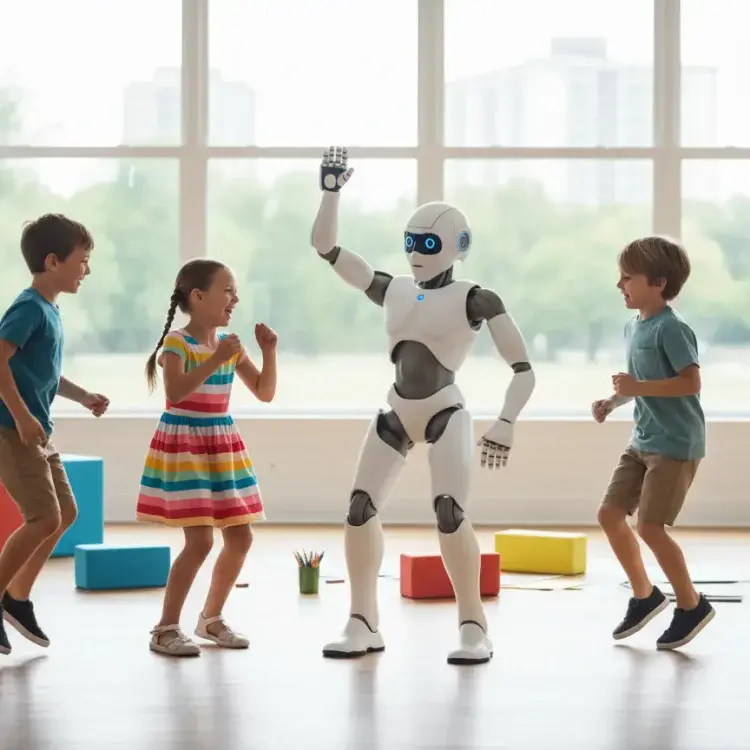
AI bias and diversity is shaping your child’s world – but it’s not always fair. From educational tools to social media, artificial intelligence impacts how kids learn, connect, and see themselves. However, 80% of AI systems are trained on data that doesn’t represent everyone, leading to biased outcomes that can reinforce stereotypes and inequalities.
Here’s what you need to know:
- AI bias occurs when systems make unfair decisions due to incomplete or skewed data.
- It affects kids in real ways, like facial recognition errors in schools or biased educational recommendations.
- Diverse teams and better data can create fairer AI systems, but these practices are still not widespread.
- Parents can help by choosing ethical platforms, teaching kids to think critically about AI, and encouraging responsible tech use.
New to AI? Start with our beginner’s guide to AI for kids.
Table of Contents
What Is AI Bias and How It Affects Children
What AI Bias Means
AI bias happens when artificial intelligence systems make unfair or discriminatory decisions because they’re trained on data that doesn’t fully represent everyone. Think of it like baking with a flawed recipe – if the ingredients are off, the final dish won’t turn out right. Similarly, if AI systems learn from data that only reflects a narrow perspective, they can develop blind spots that unfairly impact some children.
Research, including findings from the AI Now Institute, has highlighted a serious lack of diversity in the data used to train AI systems. This issue is made worse by the lack of diversity within the teams creating these technologies. When developers share similar backgrounds, they may unintentionally miss problems that affect children from different communities. The result? Technology that doesn’t work equally well for all kids.
“AI systems reflect the biases present in their training data, which can lead to significant disparities in educational opportunities for children.” – Dr. Joy Buolamwini, Founder of the Algorithmic Justice League
These biases aren’t just theoretical – they show up in real-world situations, as the examples below reveal.
Real Examples of AI Bias
AI bias is already influencing children’s lives in tangible ways. Here are some examples:
- Facial Recognition in Schools: A 2020 study by the MIT Media Lab found that facial recognition systems misidentified Black and Asian faces 34% more often than white faces. In schools where this technology is used for tasks like security or attendance, such inaccuracies can lead to unfair treatment, with children of color potentially facing more scrutiny or negative experiences.
- Educational Technology Platforms: AI-powered learning tools often fall short for students from marginalized backgrounds. A 2021 report by the AI Now Institute revealed that these platforms, designed to personalize learning, struggle to adapt to diverse learning styles when the data behind them lacks representation.
- Assessment and Recommendation Systems: A Stanford University study in 2021 discovered that AI-driven tools frequently recommended advanced courses to students from wealthier families while under-representing those from lower-income households. This disparity can create a cycle where certain children gain access to more challenging opportunities, while others are left behind, which could limit their future potential.
When children interact with biased AI systems, the effects can go far beyond the immediate technology. Repeated exposure to bias may influence how they see themselves, eroding their confidence and making them feel excluded in digital spaces.
These examples highlight the importance of recognizing AI bias, especially for parents. The tools and technologies children use – whether for learning, social engagement, or daily activities – can shape their opportunities and development. Addressing these biases is a crucial step in ensuring that every child has access to fair and equal opportunities in an increasingly AI-driven world.
Inside CodaKid: The AI & Coding Course Every Parent Should Know About
Why Diversity Matters in AI Development
Tackling AI bias goes beyond tweaking algorithms – it’s about rethinking who creates AI and what data fuels it. When diverse teams work on AI systems and use datasets that represent everyone, the technology becomes more equitable, benefiting all users, including the younger generation.
How Diverse Teams Reduce Bias
Diverse teams play a key role in identifying and addressing issues that uniform groups might miss. When individuals with varied backgrounds, cultures, and experiences collaborate on AI projects, they bring unique perspectives that help uncover blind spots.
Research backs this up: diverse teams are 35% more likely to excel in innovation and problem-solving. A McKinsey study also found that companies with higher gender diversity in executive roles were 21% more likely to achieve above-average profitability.
“Diversity in AI development is not just a moral imperative; it is essential for creating technology that serves everyone fairly.” – Dr. Fei-Fei Li, Co-Director of the Stanford Human-Centered AI Institute
Real-world examples highlight the impact of diversity. In 2021, Google’s diversity initiative boosted representation of underrepresented groups by 30%, leading to more inclusive AI tools that received positive feedback in educational applications. Similarly, IBM’s AI ethics board prioritized diverse teams in 2022, prompting them to redesign training datasets. This shift cut bias-related errors in their AI systems by 25%.
While diverse teams are critical, ensuring the data used in AI systems reflects the full spectrum of users is equally important.
Why Data Representation Is Key
Comprehensive data representation is another cornerstone of reducing AI bias. Think of AI training data like a textbook – if it only includes examples relevant to one group, it won’t effectively serve others. Diverse datasets ensure AI systems can operate fairly across all demographics.
The dangers of poorly represented data are already apparent. For example, facial recognition systems often misidentify individuals from minority groups at rates up to 34% higher than those from majority groups. This disparity can have real consequences, especially in settings like schools or educational apps where these technologies are increasingly used.
A case in point: IBM’s Watson healthcare AI faced criticism in 2020 for being less effective for patients from diverse backgrounds due to unrepresentative data. This prompted IBM to overhaul its data sourcing practices, incorporating a broader range of patient information to improve the system’s accuracy.
Companies that emphasize diversity in both their teams and datasets consistently produce more balanced and user-friendly products. These tools often receive higher satisfaction ratings, as they create fairer experiences for all users, including children and families.
For parents, this means seeking out AI tools and educational platforms developed by organizations committed to diversity. Such companies are more likely to create technology that supports children equitably, regardless of their background, learning style, or demographic traits. By staying informed about these practices, parents can make better decisions and ensure their children benefit from inclusive, fair technology.
The push for ethical AI development is gaining momentum, with many organizations adopting frameworks to prioritize inclusivity. These efforts hold promise for creating a digital environment that’s fairer and more supportive for the next generation.
How Parents Can Spot and Handle AI Bias
When it comes to AI bias and diversity, parents play a crucial role in ensuring their child’s digital learning experience is fair and inclusive. By learning how to identify and address bias in AI tools, you can help create a more balanced and equitable digital environment for your child.
How to Spot Bias in AI Tools
To evaluate AI tools effectively, focus on three key areas: data sourcing, transparency, and output diversity.
Start by reviewing how transparent the platform is about its data practices. Check if the company provides clear details about how data is collected, the methods used for training the AI, and whether the datasets include representation from various demographics. Companies that prioritize fairness often share this information openly.
Pay attention to privacy and ethical data use. Make sure the tool has policies in place to protect user data and uses ethical practices in its data collection. This ensures both safety and integrity.
Observe patterns in the AI’s results. If you notice the tool consistently favors certain groups, perspectives, or cultural narratives while ignoring others, this could be a sign of bias. For instance, if an educational AI only highlights examples from specific backgrounds or reinforces traditional gender roles in career paths, these are clear indicators of bias that need addressing.
Teaching Children to Think Critically
Help your child approach AI content with a critical mindset by encouraging them to ask questions like, “Where does this information come from?” or “What other perspectives might exist?”
Make it a habit to discuss AI-generated content with your child. Compare the AI’s output with other viewpoints to identify gaps or missing perspectives. This can be an eye-opening exercise for both of you.
Engage in practical activities to challenge AI outputs. For example, if your child uses an AI writing assistant for homework, review its suggestions together. Talk about whether the recommendations reflect a range of perspectives or if they seem one-sided. This not only sharpens your child’s analytical skills but also helps them spot potential bias in the future.
Show your child how to cross-check information from AI tools with other sources. Teach them to verify facts and actively seek alternative viewpoints. This practice strengthens their ability to detect incomplete or skewed information, fostering a more informed and balanced understanding of the world.
Choosing Trusted Platforms
When selecting educational platforms, prioritize those with a strong commitment to ethical AI practices. For example, CodaKid has earned trust for its transparent curriculum and dedication to fairness in AI tools. With self-paced programs and high parent satisfaction, it’s a platform that emphasizes ethical teaching practices.
Look for platforms that openly address diversity and inclusion. Providers that actively work to prevent bias in their content are more likely to deliver fair and balanced educational experiences.
Also, consider the platform’s credentials and accreditations. Programs that meet established quality standards often include safeguards against bias and adhere to higher ethical standards in their AI systems.
Ultimately, transparency is essential when evaluating any AI tool or platform. Companies that openly share their processes, data sources, and efforts to prevent bias are generally safer and more reliable choices for supporting your child’s digital learning journey.
Teaching Children About Responsible AI Use
Teaching kids about responsible AI use involves introducing them to concepts like fairness, ethics, and the consequences of digital choices. By learning these ideas early, children can grow into mindful digital citizens, ready to handle ethical challenges in an increasingly tech-driven world.
Teaching Basic Ethics Concepts
The best way to start is by using simple, everyday examples that resonate with children. If your child interacts with AI – like a chatbot or a recommendation system – use that moment to spark a conversation. Ask questions like, “Does this seem fair to everyone?” or “Who might feel left out by this response?” These questions encourage them to think critically about fairness and inclusivity.
You can also draw parallels between AI and familiar situations. For example, explain that just as they need to cite sources for school projects, good AI tools should be clear about where their information comes from. This transparency helps ensure fairness by showing users how decisions are made. Connecting these lessons to values your family already practices – like respecting others – makes the concepts more relatable and easier to understand.
Once kids grasp these ethical ideas, hands-on activities can help them apply what they’ve learned in practical, meaningful ways.
Hands-On Learning Activities
Turn everyday interactions with AI into teachable moments. For instance, when using a streaming platform that suggests shows, discuss why certain recommendations appear. Are the suggestions diverse? Do they represent a variety of perspectives? These conversations transform routine tech use into an opportunity to explore fairness and bias.
Encourage your child to experiment with different AI tools. Have them ask similar questions across platforms and compare the answers to spot potential biases. For example, they could ask about career options for different genders or look for stories featuring characters from various backgrounds. This kind of exploration helps them recognize patterns and question how AI systems work.
Role-playing can also be a powerful way to teach responsibility. Let your child imagine they’re an AI developer tasked with ensuring a robot responds fairly to all people. This activity helps them see the challenges and responsibilities involved in creating ethical AI.
Another engaging idea is to have your child act as an “AI detective.” They can investigate how platforms handle diversity in content – whether it’s image searches, story recommendations, or educational materials. This sharpens their analytical skills while building awareness of bias in digital spaces.
Using Structured Learning Programs
To deepen their understanding, structured learning programs can complement these activities by blending technical skills with ethical discussions. Programs like these not only teach coding but also emphasize the importance of fairness and responsibility in AI.
Learning to code and work with AI naturally builds skills like critical thinking, logical reasoning, and problem-solving. These abilities are essential for kids to become creators and leaders in an AI-driven world, rather than just passive users of technology.
CodaKid, for example, incorporates ethical considerations directly into its AI and coding courses. Through its self-paced curriculum, children learn programming languages like Python while also exploring the moral aspects of AI development. As they work on project-based assignments, discussions about fairness and bias are woven into the process, making these concepts feel relevant and practical.
When kids create their own simple AI projects, they face real-world challenges like avoiding biased outcomes. This hands-on experience makes abstract ideas – like the importance of diverse data or fair algorithms – much easier to grasp.
For a more personalized approach, CodaKid also offers private 1:1 lessons. These sessions allow instructors to tailor ethical discussions to your child’s interests, ensuring that responsible AI use becomes a natural part of their tech education.
Resources and Tools for Parents
For parents eager to help their children navigate the world of AI with awareness and responsibility, having access to reliable resources is key. One standout option is CodaKid, an online platform that blends technical learning with meaningful discussions on ethics. CodaKid’s courses are designed to equip kids and teens with both the coding skills and the ethical mindset they need for an AI-driven future.
AI & Coding Courses
CodaKid provides a well-rounded curriculum that combines hands-on coding lessons with a focus on ethical AI principles. Their programs dive into topics like Python programming, AI development, and web development, while weaving in conversations about fairness, accountability, and thoughtful design.
Here’s a breakdown of their course options:
- Self-Paced Courses: For $29 per month, students gain unlimited access to over 85 courses. These include lessons on AI programming, Python, and game creation using real-world programming languages and tools.
- Private 1:1 Lessons: At $249 per month, kids can enjoy weekly personalized sessions with an instructor. These tailored lessons allow for in-depth exploration of both AI ethics and technical skills, customized to match your child’s interests.
- Virtual Camps: These one-week intensive programs, held during school breaks, feature daily two-hour sessions. Kids work on collaborative projects while diving into ethical considerations in technology.
CodaKid’s project-based learning approach encourages students to grapple with real-world challenges like data selection, algorithm design, and user experience. This not only sharpens their technical abilities but also sparks meaningful discussions about bias and diversity in AI. With features like live help desk support, certificates to track progress, and flexible scheduling to accommodate busy families, CodaKid ensures that children gain both practical skills and a responsible outlook on AI development.
Conclusion: Preparing Children for a Fair AI Future
As AI becomes more embedded in our everyday lives, it’s crucial to equip children with the tools to navigate it thoughtfully. The discussions we have now about AI bias and diversity will directly influence how the next generation interacts with and shapes these technologies.
One of the best ways to help kids understand AI bias and diversity is through hands-on experience. When children engage in activities like coding, building chatbots, or training AI models to recognize patterns, they gain firsthand knowledge of how AI systems work. This practical exposure not only demystifies how AI processes information but also enables kids to identify potential flaws or biases in these systems before they escalate into real-world problems. Plus, it sharpens their critical thinking and problem-solving skills – abilities that are valuable far beyond the tech world.
Comprehensive Education
The goal isn’t to turn every child into an AI expert but to give them the tools to think critically about AI. Comprehensive education in coding and AI encourages kids to question the fairness and accuracy of the technologies they encounter, whether it’s a search engine, a recommendation algorithm, or an educational app. These analytical skills empower them to be more than passive users – they become informed participants in a digital world.
For parents and educators, choosing the right platforms is key. Programs like CodaKid’s curriculum combine technical skills with ethical discussions, offering structured lessons and hands-on projects that tie technology to real-world issues. By blending technical know-how with an awareness of fairness and equity, these programs help children develop a well-rounded understanding of AI bias and diversity and its impact.
As we’ve explored, diverse perspectives are essential to reducing AI bias, and these educational strategies lay the groundwork for that diversity. The future will be shaped by young people who can critically evaluate technology, recognize bias, and contribute to creating AI systems that are more inclusive and equitable. Starting these conversations now ensures that children grow up ready to build a technological landscape that reflects the fairness and equality we strive for as a society.
FAQs
How can parents tell if an AI tool their child uses is biased?
To identify bias and diversity in an AI tool, start by closely examining its outputs. Are there recurring patterns that seem to favor or disadvantage specific groups, viewpoints, or ideas? For instance, does the tool repeatedly offer narrow responses or reinforce stereotypes? These could be signs of bias.
Another step is to review the tool’s documentation or investigate whether the developers have taken steps to address issues like fairness and inclusivity during its design process. If you’re uncertain, encourage your child to approach the AI’s responses with a critical eye. Discuss any questionable outputs together to help them develop a thoughtful perspective.
How can we ensure AI systems are designed to be fair and inclusive?
To ensure AI systems are fair and inclusive, developers and educators should focus on using diverse datasets that capture a broad spectrum of perspectives and experiences. This approach helps reduce biases in training data and ensures algorithms are better equipped to make balanced decisions. Actively identifying and addressing any biases within algorithms is another crucial step in creating equitable AI systems.
Parents play a key role in fostering this mindset by selecting educational platforms that responsibly teach children about AI. Encouraging kids to think critically about the ethical aspects of technology can make a big difference. Look for platforms that incorporate real-world tools and highlight diversity and fairness in their lessons. These resources can help children build the skills and awareness needed to design AI solutions that are more inclusive and thoughtful in the future.
Why should kids learn about AI bias and diversity and using technology responsibly?
It’s important for kids to grasp the basics of AI ethics and responsible technology use. These lessons help them understand how artificial intelligence influences the world they live in. By learning about both the opportunities and challenges that AI presents, children can develop the ability to make informed decisions in a society increasingly shaped by technology.
Introducing these concepts also nurtures critical thinking, empathy, and an appreciation for diversity. This kind of foundation equips them to navigate and contribute meaningfully to a future where technology becomes an even bigger part of everyday life.