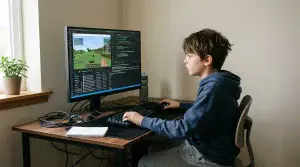
In 2026, coding is a must-have skill for kids. It teaches problem-solving, critical thinking, and creativity while preparing them for future careers in tech-driven fields like AI, robotics, and game development.
Table of Contents
What Are Programming Classes for Kids?
Programming classes for kids teach children how to create software and solve problems using programming concepts and languages. Depending on a child’s age and experience, these classes may introduce visual coding or teach text-based languages such as Python, JavaScript, Java, and Lua. Many programming classes are project-based, allowing kids to build games, websites, apps, and other digital projects while developing computational thinking and problem-solving skills.
| Term | What It Usually Means |
|---|---|
| Coding Class | An individual instructional experience where kids learn coding concepts through guided lessons, activities, or teacher-led instruction. |
| Coding Course | A structured series of lessons focused on a specific programming skill, language, topic, or project. |
| Coding Program | A broader learning pathway that may include multiple courses or classes, skill levels, projects, and learning formats. |
If you’re looking for a broader learning pathway that combines multiple coding courses, skill levels, and learning options, see our guide to coding programs for kids.
The best programming class depends on a child’s age, interests, previous experience, and preferred learning format. Below, we’ve compared several popular coding courses and classes to help parents find an option that fits their child.
Here’s a list of the top coding courses for kids, tailored to different ages and interests:
- CodaKid: Ages 6–18. Learn Python, JavaScript, and more through game-based projects like Minecraft mods and AI apps. ($29/month for self-paced; $249/month for private lessons)
- Scratch: Ages 8–16. A free, drag-and-drop platform for creating animations, games, and stories.
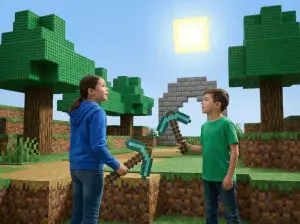
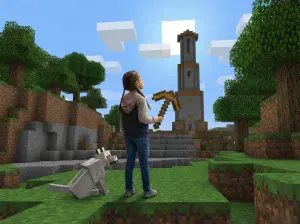
- Minecraft Modding: Ages 9–16. Learn Java by customizing Minecraft, a favorite among gamers. ($15–$50/month)
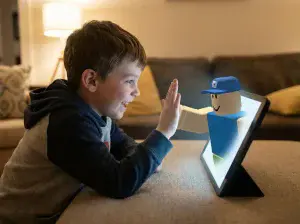
- Roblox Development: Ages 10–18. Use Lua to create and publish games on Roblox Studio. (Free or $20–$40/month for structured courses)
- Python Programming: Ages 10–18. A beginner-friendly text-based language for building games, AI, and web apps. ($25–$60/month)
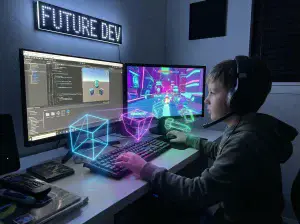
- Unity & Unreal Engine: Ages 12+. Advanced platforms for game development using C# (Unity) or C++/Blueprint (Unreal). (Free tools; $30–$80/month for courses)
Quick Comparison (Top Coding Courses)
| Course/Platform | Age Range | Programming Languages | Price | Key Features |
|---|---|---|---|---|
| CodaKid | 6–18 | Python, JavaScript, Java | $29–$249/month | Game-based learning, AI, private lessons |
| Scratch | 8–16 | Visual blocks | Free | Drag-and-drop coding, animations, games |
| Minecraft Modding | 9–16 | Java | $15–$50/month | Modding Minecraft, hands-on projects |
| Roblox Development | 10–18 | Lua | Free/$20–$40/month | Game publishing, monetization |
| Python Programming | 10–18 | Python | $25–$60/month | AI, data science, versatile projects |
| Unity/Unreal Engine | 12+ | C#, C++/Blueprint | Free/$30–$80/month | Professional-grade game development |
When picking a course, consider your child’s age, interests, and learning style. Younger kids can start with Scratch or CodaKid, while older ones may prefer Python, Roblox, or advanced tools like Unity. Coding builds confidence and opens doors to endless opportunities in today’s digital world.
Coding for Kids | CodaKid Online Coding School
What Makes a Good Coding Course for Kids
Finding the top coding course for your child can be a game-changer, sparking a deep interest in technology and programming. The best programs share a few key features that not only keep kids engaged but also help them build real, lasting skills.
Parents comparing programming classes for kids should consider the child’s age, experience level, interests, learning format, and the programming languages they’ll eventually use.
Age-Appropriate Content
Age-appropriate content is a must. Younger kids in elementary school benefit from visual programming languages and game-based learning that make coding fun and accessible. On the other hand, middle and high school students can tackle more advanced concepts, like syntax and abstract problem-solving. The best courses cater to different skill levels, ensuring kids can advance at their own pace without feeling overwhelmed or bored.
Learning real programming languages like Python, Java, or Lua is another important factor. These languages go beyond block-based tools, giving kids skills they can use in real-world applications, from software development to game creation.
Hands-On Projects
Hands-on projects are what truly set great courses apart. Kids should get the chance to build something tangible – whether it’s a game, a website, a mobile app, or mods for popular games like Minecraft and Roblox. These projects not only teach technical skills but also boost confidence, encourage problem-solving, and help kids learn how to debug and refine their ideas. Plus, sharing their creations with friends and family adds an extra layer of excitement and pride.
Flexible scheduling is essential for fitting into busy family routines. Some kids thrive in live, interactive classes with real-time feedback from instructors, while others prefer self-paced courses they can tackle on their own schedule. The best programs offer both options, along with recorded sessions so kids can revisit lessons whenever they need.
Interactive and Engaging Content
Keeping kids motivated is all about interactive and engaging content. Features like coding environments that let them see instant results, gamified elements like badges and progress tracking, and projects tied to popular culture (like creating apps or games) all help maintain their interest and encourage them to stick with the course.
Clear learning pathways are another hallmark of a quality program. These pathways outline what kids will achieve at each stage, with regular progress updates to show when they’re ready for more advanced topics. Whether it’s diving into artificial intelligence or exploring cybersecurity, a structured path keeps kids focused and excited about what’s next.
Instructor Support
Instructor support and community features can make a huge difference. Programs that offer forums, office hours, or mentoring give kids the help they need to overcome challenges. Peer interactions, like coding clubs or project showcases, also foster a sense of community and make learning more fun.
Finally, cost considerations come into play. While free resources are available, paid programs often provide more structure, personalized feedback, and dedicated support. The key is finding a course that matches your child’s interests and learning style, whether it’s free or paid. Together, these elements create a well-rounded, effective coding experience for kids.
1. CodaKid: Game-Based Coding and AI Learning
CodaKid is an online platform that blends game development and AI learning with real-world programming languages and professional tools, moving beyond the simplicity of block-based systems.
What makes CodaKid stand out is its emphasis on project-based learning. Instead of just teaching abstract coding concepts, kids get hands-on experience by creating actual games, mods, and AI applications they can share with friends and family. With over 85 courses covering everything from Python programming to advanced AI development, there’s always something new to dive into. This approach aligns perfectly with the idea of engaging, age-appropriate learning experiences.
Age-Appropriateness
CodaKid is designed for kids and teens aged 8 to 18, offering a flexible, self-paced structure that meets the needs of different age groups. Younger students can take their time mastering foundational concepts, while older learners can move quickly through more advanced material. The projects are tailored to the student’s age and skill level – young beginners might create simple Minecraft mods, while older students can tackle complex AI projects.
To keep students engaged, CodaKid adapts its teaching style. Younger learners benefit from shorter video tutorials and instant visual feedback, while older students enjoy longer, more detailed lessons that allow them to explore programming concepts in depth.
Programming Languages and Tools
CodaKid introduces students to professional programming languages like Python, JavaScript, Java, and Lua. This ensures that kids are learning skills they can use for real-world applications and even future careers. By working with industry-standard tools – such as game engines, web development frameworks, and AI libraries – students gain hands-on experience that mirrors what professionals do. This practical approach bridges the gap between learning to code and building meaningful, functional projects.
Project-Based Learning
At the heart of every CodaKid course is the creation of real projects. Students might design their own Roblox games using Lua, develop Minecraft mods with Java, or build AI chatbots using Python. These aren’t just practice exercises – they’re fully functional applications that showcase real programming skills. From the very first lesson, learners start building, rather than spending weeks stuck on theory or syntax. Each project builds on what they’ve already learned, introducing new concepts in a natural and engaging way.
Support Options
CodaKid offers flexible support options to suit different learning needs.
- Self-paced courses: For $29 per month, students get access to live help desk support, where they can troubleshoot coding challenges or technical issues with ease.
- Private 1:1 lessons: For $249 per month, students are paired with dedicated instructors who provide personalized guidance, tailored curriculums, and regular progress updates.
- Virtual camps: During summer breaks, CodaKid runs intensive group sessions focusing on topics like AI development or Roblox game creation. These camps combine expert instruction with the social benefits of group projects.
These options ensure learners receive the right level of support, making CodaKid a flexible and engaging platform for coding education. Whether through self-paced lessons, one-on-one instruction, or collaborative camps, students are set up for success in their coding journey.
2. Scratch: Visual Programming for Beginners
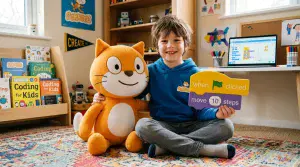
Scratch, created by MIT, is a beginner-friendly platform that uses drag-and-drop blocks to help kids make animations, interactive stories, and simple games. Instead of typing out code, children piece together colorful, puzzle-like blocks that represent programming functions. This approach eliminates syntax errors and makes it easy for kids to grasp essential programming concepts like loops, conditionals, and variables.
Age-Appropriateness
Scratch is designed with kids aged 8 to 16 in mind, offering an engaging and accessible way to dive into programming. Its vibrant interface and straightforward icons appeal to elementary and middle school students alike. Younger kids can focus on creating basic animations or stories, while older ones can experiment with more complex projects, such as games with interactive mechanics.
The platform’s sprite-based system adds a playful touch. Kids can choose from a library of pre-made characters and objects or create their own, turning programming into a fun, creative activity rather than a chore.
Programming Concepts Made Simple
Scratch introduces kids to core programming ideas commonly found in languages like Python, Java, and JavaScript. Through its visual blocks, children learn about variables, loops, conditionals, and event handling in a way that’s easy to understand. The logical flow of programs is displayed visually, helping kids connect the dots between actions and outcomes.
The platform also includes tools for creativity. Kids can design custom graphics, record sounds, or upload images to personalize their projects. This multimedia aspect keeps learning exciting and encourages kids to explore programming concepts in a hands-on way.
Learning Through Projects
Scratch emphasizes project-based learning, where kids create shareable projects as they go. They might start with something simple, like animating a cat to walk across the screen, and then move on to interactive stories or games that respond to user input. As they advance, they can tackle more challenging projects like maze games, quizzes, or even basic simulations.
The platform’s remix culture is a standout feature. Kids can explore projects shared by others, see how they’re built, and tweak them to create something new. This fosters creativity, teaches debugging, and exposes kids to different ways of problem-solving.
Support and Accessibility
Scratch provides plenty of support through its online community, where kids can share their work, get feedback, and collaborate with peers around the world. The website also offers step-by-step tutorials, coding cards with project ideas, and resources for educators and parents to guide young learners.
For offline learning, Scratch Desktop is available, allowing kids to code without an internet connection. This is especially helpful for families with limited internet access or those who prefer to manage their child’s online activities while still offering a quality coding experience.
3. Minecraft Modding with Java
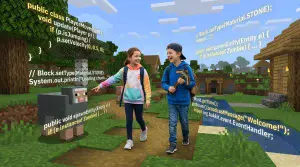
Minecraft modding takes a popular game and turns it into a hands-on coding experience where kids can learn by building their own game modifications. Using Java, they dive into concepts like object-oriented programming, inheritance, event handling, and debugging. It’s a fun way to turn gaming into a meaningful learning adventure.
Age-Appropriateness
Minecraft modding works best for kids who already know the basics of the game and have some exposure to coding. Beginners can start small – like tweaking game settings – and gradually take on more advanced projects as their confidence and skills grow.
Programming Languages and Tools
Java is the backbone of Minecraft modding. While some elements involve configuration files and command syntax, the main focus is on learning Java fundamentals. This hands-on practice helps kids build a strong base for future programming projects.
Project-Based Learning
Modding is all about projects, giving kids the chance to work on real coding tasks. They might begin with simple changes to game behavior and, over time, move on to more complex mods that challenge their creativity and deepen their understanding of coding principles.
Community and Support
Minecraft modding comes with a strong online community packed with forums and video tutorials. These resources make it easier for kids to troubleshoot, share ideas, and get feedback on their projects. This sense of community not only helps them solve problems but also boosts their confidence as they learn.
4. Roblox Game Development with Lua

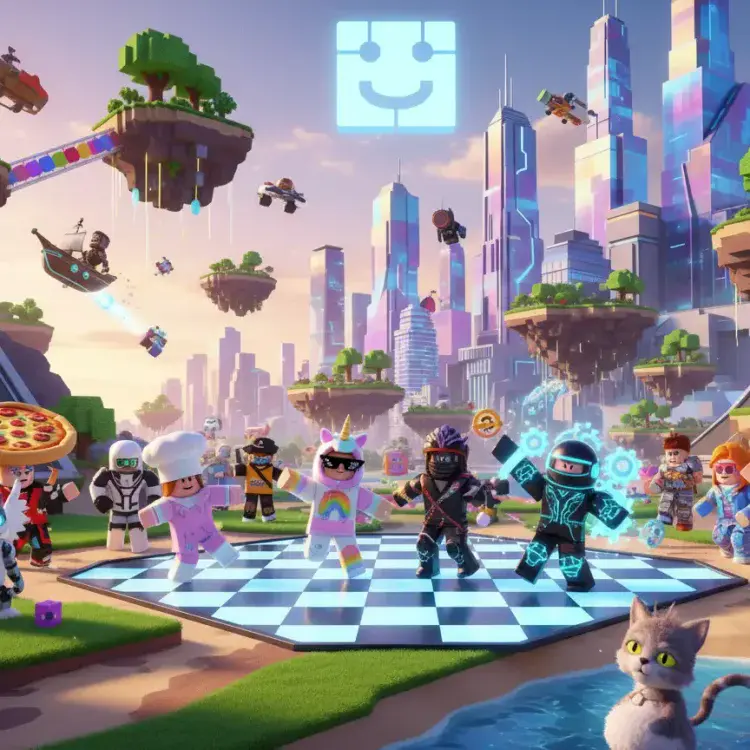
Developing games on Roblox using Lua opens up a world of creativity on a platform with an impressive 71 million daily users. This approach uniquely combines the excitement of game creation with the acquisition of real programming skills. Lua, known for its speed, efficiency, and beginner-friendly syntax, becomes a powerful tool for kids to learn coding in a fun and engaging way.
Age-Appropriateness
Roblox game development is a great starting point for kids as young as 8. At this age, they can begin exploring Roblox Studio’s building tools, while older learners (around 10–12) often find Lua scripting more intuitive[8,11]. This gradual learning curve allows children to build confidence as they transition from simple game-building concepts to core programming skills. Early lessons often focus on familiarizing kids with variables, data types, loops, and control structures within the gaming environment, making the process both educational and enjoyable.
Programming Languages and Tools
Lua is the backbone of Roblox game development, but on this platform, it’s used in the form of Luau – a customized, faster, and more feature-rich version of Lua. For many kids, Lua feels easier to grasp than Python thanks to its forgiving syntax, which makes debugging less intimidating. Roblox Studio serves as the primary development environment, offering ready-made templates like Obby and Tycoon games. These templates let kids focus on scripting and customization instead of starting from scratch, creating a smoother entry point into coding.
Project-Based Learning
Roblox development emphasizes hands-on learning through game projects. Kids typically start with a clear vision for their game, plan the game flow, and define core gameplay loops. This structured yet creative process introduces them to essential project management skills alongside scripting. By working on tangible projects, children gain a sense of accomplishment while learning to think critically and solve problems.
Support Options
Roblox also provides a secure environment for learning, where parents can set up privacy settings and account restrictions to ensure safe gameplay and development. Regular practice on the platform helps reinforce coding concepts, while its gamified approach keeps kids motivated to continue learning. The combination of creative freedom and structured support makes Roblox an excellent platform for budding developers.
5. Python Programming for Kids
After diving into project-based platforms, Python serves as a natural next step for kids ready to explore text-based coding. Known for its beginner-friendly design, Python introduces programming concepts through an easy-to-read syntax that feels approachable. It acts as a bridge between drag-and-drop tools and professional programming environments. Let’s explore Python’s appeal in terms of age suitability, tools, project opportunities, and available resources.
Age-Appropriateness
Python is ideal for children 10 years and older. At this stage, kids can tackle programming basics like variables, loops, and functions without feeling overwhelmed. Python’s syntax, which mirrors everyday language with commands like “print”, “if”, and “while”, makes it easier for young learners to pick up.
Starting with Python also lays the groundwork for best practices in coding. Skills such as proper indentation and clear variable naming become second nature, making it easier for kids to transition to other programming languages down the road.
Programming Tools and Languages
Python’s tools evolve alongside the learner’s skill level, making it versatile for beginners and advanced users alike. For those just starting, IDLE, Python’s built-in editor, offers a simple way to write and test code. As kids grow more confident, tools like Thonny provide enhanced features like debugging, helping them tackle more complex challenges.
The language’s vast library collection opens up endless creative possibilities. Kids can experiment with game design using Pygame, learn to build websites with Flask, or even dabble in artificial intelligence through TensorFlow. This flexibility ensures Python remains useful as their interests and skills expand.
Project-Based Learning
Python shines when it comes to hands-on learning through projects. Beginners can start small with games like “Guess the Number” or “Rock, Paper, Scissors”, which introduce core concepts in a fun and engaging way. These early wins help build confidence and show kids how coding applies to real-world tasks.
As they advance, kids can explore more ambitious projects, such as creating chatbots, building web scrapers to gather data from websites, or designing data visualization tools to turn raw numbers into colorful charts. Each project introduces new concepts, like handling user input or managing files, in a practical and rewarding manner.
Support Resources
Python’s widespread popularity means there’s no shortage of learning materials. From official beginner tutorials to thriving online communities, kids can easily find help and inspiration.
Many Python courses include live instructor support, allowing students to ask questions and resolve challenges in real-time through video calls or chat. Some programs even encourage peer collaboration, where young coders team up on projects and learn from each other’s ideas. This blend of guidance and community creates an environment where kids can confidently develop their programming skills.
6. Unity and Unreal Engine for Young Developers
For kids ready to take their game development skills to the next level, Unity and Unreal Engine are powerful platforms used by professionals worldwide. While these tools are more complex than visual programming languages, they offer unparalleled creative possibilities and prepare young developers for future careers in game development. This section builds on earlier course highlights, introducing tools that bridge beginner coding concepts with advanced game creation.
Age-Appropriateness
Unity and Unreal Engine are ideal for kids 12 years and older who already have a solid foundation in coding. These platforms require familiarity with text-based programming and an understanding of fundamental concepts like variables, loops, and conditionals.
The learning curve is steep, but the rewards are worth it. Mastering these tools equips kids with skills that align closely with industry standards. Many indie game developers got their start with Unity or Unreal during their teenage years, creating portfolios that opened doors to jobs at leading gaming companies.
Programming Languages and Tools
Unity uses C#, a language that introduces kids to software development best practices. Its visual editor lets users drag and drop game objects while writing scripts to control elements like physics, interactions, and behaviors. This mix of visual and code-based development makes the transition from beginner-friendly tools to professional programming smoother.
Unreal Engine offers two main pathways:
- C++, for those ready to tackle advanced programming.
- Blueprint Visual Scripting, which uses a node-based system to create game mechanics without writing code.
Blueprint provides an accessible entry point for younger developers, while C++ allows for more detailed and sophisticated game functionality as their skills grow. Both engines also feature extensive asset stores, giving kids access to pre-made resources to speed up development.
Project-Based Learning
Learning through projects is at the heart of game development with Unity and Unreal. Kids start with simple 2D games and gradually move on to more complex projects like multiplayer games or VR experiences. These projects teach them how to manage tasks, troubleshoot problems, and see a game through from concept to completion.
Both engines include analytics and testing tools that allow kids to study player behavior and refine their games. This practical, data-driven approach mirrors professional game development workflows, helping kids make informed decisions about their creative projects.
Support Options
Unity and Unreal provide extensive resources to guide young developers. Platforms like Unity Learn and Unreal Engine’s official tutorials offer structured lessons that cover everything from basic concepts to advanced techniques. These resources often include downloadable project files and step-by-step instructions, making it easier for kids to follow along.
For those who prefer more personalized guidance, many coding programs offer live instructor-led courses for Unity and Unreal. These courses provide real-time feedback and help troubleshoot technical issues, keeping young developers motivated and on track.
The developer communities for both engines are also incredibly supportive. Forums like Unity Answers and Unreal Engine’s community hub are filled with experienced developers eager to share advice and solve problems. Engaging with these communities not only helps kids overcome challenges but also introduces them to the collaborative nature of game development.
Course Comparison Table (Top Coding Courses)
Here’s a quick guide to help you find the right coding course for your child based on their age, interests, and preferred learning style.
| Course/Platform | Age Range | Programming Languages | Main Features | Pricing | Course Format |
|---|---|---|---|---|---|
| CodaKid | 6–18 years | Python, JavaScript, Java, Lua, C# | Game-based learning, AI courses, professional tools, help desk support, certificates | $29/month (Self-Paced), $249/month (1:1 Lessons) | Self-paced online, private lessons, virtual camps |
| Scratch | 8–16 years | Visual blocks (Scratch) | Drag-and-drop interface, community sharing, beginner-friendly | Free | Self-paced online |
| Minecraft Modding | 9–16 years | Java | Hands-on game modification, creative problem-solving, popular game integration | $15–50/month (varies by provider) | Online courses, tutorials |
| Roblox Development | 10–18 years | Lua | Game creation and publishing, monetization opportunities, large user base | Free (Roblox Studio), $20–40/month (structured courses) | Self-paced online tutorials |
| Python Programming | 10–18 years | Python | Versatile language, AI/data science applications, real-world skills | $25–60/month (varies by provider) | Online courses, interactive coding |
| Unity/Unreal Engine | 12+ years | C# (Unity), C++/Blueprint (Unreal) | Professional game development, industry-standard tools, advanced features | Free (engines), $30–80/month (courses) | Project-based, online tutorials |
Key Takeaways (Top Coding Courses)
Pricing: If budget is a concern, Scratch is completely free, making it a great starting point for younger kids. For more advanced options, CodaKid’s self-paced courses start at $29/month, while structured game development courses range from $30 to $80/month.
Age Range: The age suitability varies by platform. CodaKid is designed for kids as young as 6, while Scratch is ideal for ages 8–16. For older kids and teens (9–18 years), Minecraft modding, Python programming, and Roblox development are excellent choices. Unity and Unreal Engine, with their advanced tools, are best suited for learners aged 12 and up.
Learning Formats: The format of each course depends on your child’s learning preferences. Self-paced tutorials are ideal for independent learners, while live sessions and private lessons offer more structured guidance. CodaKid stands out by offering both options.
When choosing a course, consider your child’s long-term interests. If they’re drawn to artificial intelligence, CodaKid’s AI courses and Python programming are great picks. For aspiring game developers, platforms like Unity, Unreal Engine, or Roblox development provide hands-on experience. And if web development sparks their curiosity, CodaKid’s JavaScript courses are worth exploring.
How to Pick the Top Coding Courses
Choosing the top coding courses for your child involves balancing their age, interests, and learning style. A good course not only teaches coding but also encourages creativity and critical thinking. Here’s a guide to help you find the best fit.
Course Level
Match the course level to your child’s experience. Younger kids (ages 6–8) often benefit from visual programming tools like Scratch or beginner-friendly platforms such as CodaKid. For kids aged 9–12, text-based languages like Python or Java are a great next step. Teens (13 and older) might prefer advanced tools like Unity or Unreal Engine, which are ideal for game development and more complex projects.
Align the course with your child’s hobbies. If your child loves Minecraft, Java-based modding courses can be a perfect match. Roblox fans might enjoy Lua programming, which lets them design their own games. Kids curious about artificial intelligence can explore Python-based AI courses, while those interested in mobile apps may find JavaScript or C# courses appealing.
Learning Preferences
Factor in your family’s schedule and learning preferences. Self-paced courses offer flexibility, allowing kids to learn at their own speed, while instructor-led sessions provide structure and accountability. Think about your family’s routine and what kind of learning environment works best.
Assess the level of support your child might need. Some kids are independent learners, while others thrive with more guidance. If your child needs extra help, look for platforms that offer live support or interactive features to keep them engaged.
Realistic Budget
Set a realistic budget. Free platforms like Scratch are excellent for beginners but may lack advanced features. Mid-range options (around $25–$60 per month) typically include structured lessons and better support. Premium courses, often costing $200 or more per month, provide personalized instruction and faster progress.
Check technical requirements. Some courses require downloading software or navigating complex setups, while others run entirely in a web browser for convenience. Visual programming tools often work well on tablets, but text-based coding generally requires a computer with a full keyboard. Make sure the course fits your family’s technical comfort level and available devices.
Transition Courses
Look for courses that transition to real coding languages. To build long-term skills, consider programs that introduce Python, JavaScript, Java, or C#. These languages are widely used in both academic and professional settings.
Determine how involved you’ll need to be. Some courses are designed for independent learning, while others benefit from parental involvement. If your time is limited, look for platforms with detailed progress reports or parent dashboards that keep you informed without requiring constant participation.
Free Trials or Guarantees
Take advantage of free trials or guarantees. Many platforms let you test their courses through free trials or satisfaction guarantees. This is a great way to see if a course aligns with your child’s learning style before making a commitment.
Consider the social aspect of learning. Some children thrive in collaborative settings where they can share projects and receive feedback from peers. Look for platforms that offer active communities, forums, or group activities to keep your child motivated.
Ultimately, the key is to choose a course that matches your child’s current interests and enthusiasm. A motivated child will excel with almost any well-designed program. Start with topics they’re excited about, and as their confidence grows, encourage them to explore new areas of coding.
Conclusion (Top Coding Courses)
Coding courses tailored to different age groups in 2026 lay the groundwork for a strong digital future. The programming skills kids develop today can shape their academic paths and open doors to future careers – whether in computer science, engineering, or any field that values logical thinking and problem-solving.
These top coding courses provide a variety of learning approaches. Visual programming tools like Scratch make it easier for younger kids to grasp core concepts without worrying about complex syntax. Game-based learning platforms such as Minecraft modding and Roblox development keep lessons fun while introducing real programming languages like Java and Lua. For older children ready to explore professional-grade tools, Python programming offers a gateway to fields like artificial intelligence and data science, while Unity and Unreal Engine deliver hands-on experience with game development tools used in the industry.
The focus on practical, project-based learning highlights why early coding education is so impactful. By working on tangible projects, kids build confidence and see firsthand how coding applies to the world around them.
Programming skills open up possibilities across a range of industries. Beyond career advantages, coding nurtures a problem-solving mindset and logical thinking that benefits kids in every subject, from math and science to creative writing and art.
The key is finding a course that captures your child’s interest. Whether they start with visual tools or dive into professional coding environments, every option fosters essential problem-solving abilities. In 2026, coding education is more accessible and engaging than ever, transforming what once felt like a complex skill into a fun, creative activity for kids of all ages.
FAQs (Top Coding Courses)
How can I choose the top coding courses for my child’s age and interests?
To find the top coding courses for your child, think about their age, interests, and how they learn best. For younger kids, typically between 4 and 7 years old, tools that use visual, block-based programming are a fantastic starting point. These interactive platforms make learning fun while introducing basic coding concepts. For kids aged 8 to 10, courses that involve creating games or animations can ignite their creativity while teaching essential skills. As for older kids, around 11 and up, text-based programming languages like Python might be more appealing, offering the chance to tackle more advanced projects.
It’s important to consider what excites your child. Do they enjoy hands-on, visual activities, or are they ready to take on the challenge of structured, text-based coding? Aligning the top coding course content with their personal interests and developmental stage can make a big difference in keeping them motivated and eager to learn.
What are the benefits of teaching kids to code early using platforms like CodaKid and Scratch?
Teaching kids to code early with platforms like CodaKid and Scratch offers them a chance to pick up key skills like problem-solving, logical thinking, and creativity. These top coding courses are designed to be fun and interactive, making it easier for kids to grasp complex ideas while staying engaged.
Starting coding young doesn’t just teach technical skills – it also boosts confidence and sharpens computational thinking, which are crucial in today’s tech-focused world. Plus, coding naturally fosters perseverance. By working through trial-and-error, kids learn to see mistakes as opportunities to grow – an approach that serves them well in school, future careers, and everyday life.
Does my child need any prior knowledge before starting advanced top coding courses like Unity or Unreal Engine?
For more advanced top coding courses like Unity or Unreal Engine, having a bit of background knowledge can make things easier. When it comes to Unity, it’s a good idea for your child to be familiar with the basics – like navigating the interface and understanding core features – or to have completed an introductory course beforehand. Unreal Engine, however, is designed to be beginner-friendly and doesn’t require any prior experience, which makes it a great option for kids who are just starting out in game development.
Overall, having basic computer skills and a little exposure to simple coding or game design concepts can give kids a solid foundation and help them feel more confident as they explore these advanced tools.