Artificial Intelligence (AI) is no longer a futuristic concept – it’s a thriving reality, reshaping industries and daily life. With the rise of AI agents, we’re entering a transformative era where technology doesn’t just respond to commands but takes proactive, autonomous actions. But what exactly are AI agents, and how do they differ from other AI systems? More importantly, how can we assist parents, educators, and curious beginners in building AI agents without a technical background?
This article breaks down the essentials, inspired by a detailed walkthrough on creating AI agents, to help you understand their potential and get started on your own journey into this exciting field.
New to AI? Start with our beginner’s guide to AI for kids.
Table of Contents
What Is an AI Agent?
Before we dive into the “how” of building AI agents, let’s clarify the “what.” AI agents are not just chatbots or automations. While chatbots answer questions and workflows execute predetermined tasks, AI agents operate with autonomy. They sense their environment, think independently, and act based on goals you set.
Think of an AI agent as a digital intern: you provide the objective, and it figures out how to achieve it, even if the path changes midway. Unlike traditional systems that break when encountering something unexpected, AI agents adapt, evaluate, and try again.
As AI agents become more accessible to everyday users, comparing different AI pricing plans can help families and educators understand which platforms offer the right balance between automation features, usage limits, and long-term affordability.
The Core Components of an AI Agent
To function effectively, AI agents rely on four essential elements:
- The Brain (Reasoning Engine): This is the “smart core” of the agent, often powered by large language models (LLMs) such as ChatGPT, Claude, or Gemini. These systems process information and make decisions.
- Sensors (Input Mechanisms): These allow the agent to perceive its environment, such as reading emails, interpreting commands, or analyzing documents.
- Memory: Acting as a digital notebook, memory helps the agent track past interactions, recognize patterns, and build on previous experiences.
- Tools (Actuators): These are the “hands” of the agent, enabling it to execute tasks like sending emails, browsing the web, or interacting with APIs.
When combined, these components create a self-sufficient system capable of performing complex, adaptive tasks with minimal human input.
Why AI Agents Are Revolutionary for Education and Family Life
For parents and educators, the implications of AI agents are profound. These tools are not just for businesses or tech enthusiasts; they’re for anyone who wants to enhance productivity, foster creativity, and prepare children for tomorrow’s STEM-driven world. Imagine an AI agent that helps organize your child’s homeschooling schedule, generates personalized learning content, or even assists in teaching coding concepts.
Rather than replacing education, AI agents enhance it in ways that free up time for more meaningful, hands-on learning experiences. They’re safe, effective, and customizable to a family’s unique needs.
Real-World Applications of AI Agents
AI agents aren’t just a theoretical concept – they’re actively transforming workflows across industries and personal lives. Here are four remarkable use cases you can draw inspiration from:
1. AI-Powered WhatsApp Support Agent
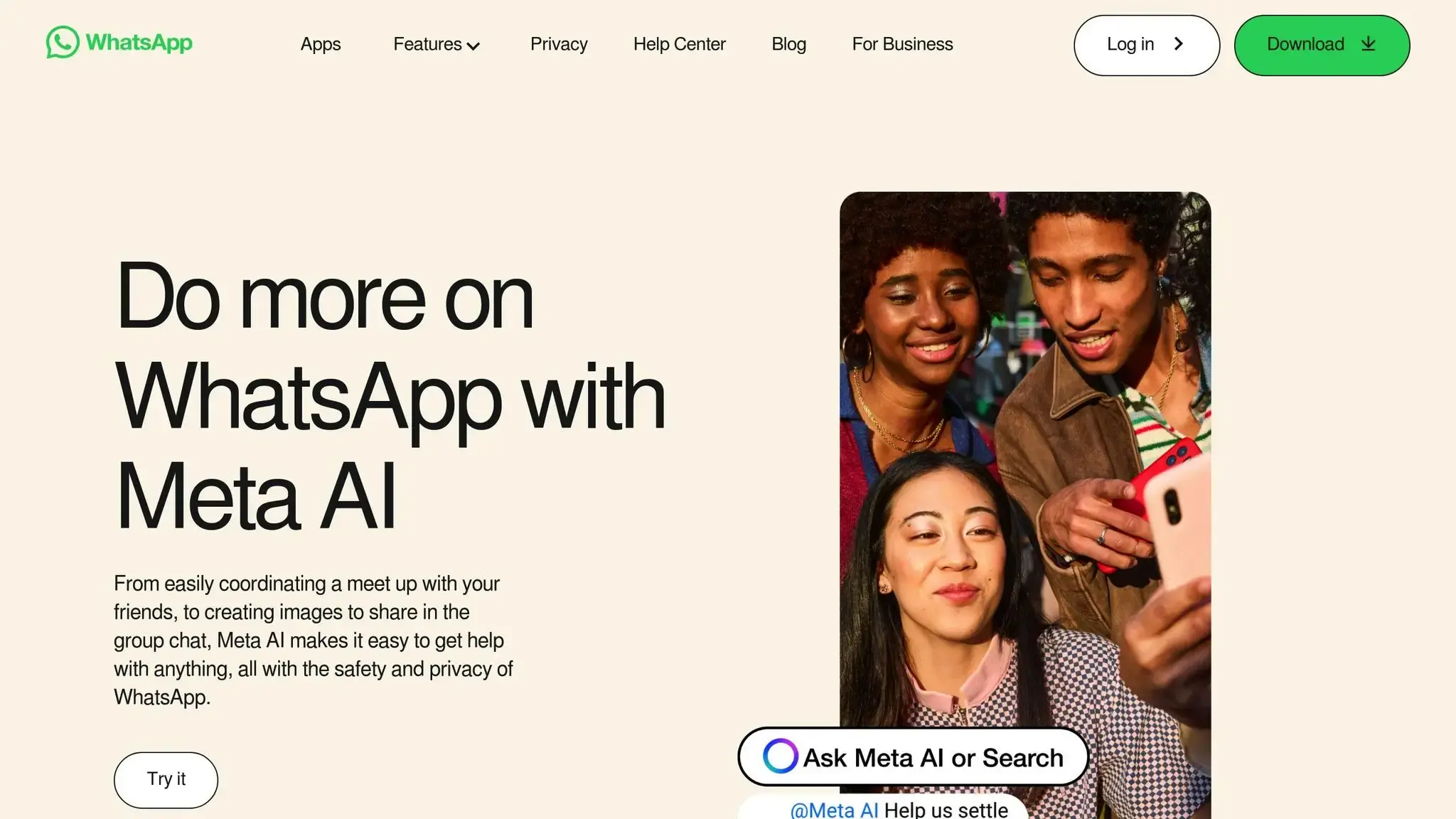
- Purpose: Designed for customer support teams, this agent processes user inquiries via text, voice, or images.
- How It Works: It ingests product manuals, indexes them, and retrieves relevant information to respond to user questions in seconds.
- Potential for Families: Parents could adapt this system to answer repetitive questions about household schedules or manage family calendars efficiently.
2. Smart Inbox Manager
- Purpose: Keeps email inboxes under control by categorizing and prioritizing incoming messages.
- How It Works: By analyzing email histories and using reasoning models, the agent labels emails into categories like “Urgent” or “FYI.”
- Potential for Families: This could help parents streamline communication with teachers, extracurricular coordinators, and more.
3. Content Creation Agent
- Purpose: Automates social media posting by researching trending topics and crafting well-formatted posts.
- How It Works: It pulls insights from Google Trends, drafts posts, and even tracks engagement metrics.
- Potential for Families: Perfect for parents managing a family blog or educators sharing STEM resources on social media.
4. Lead Generation Agent
- Purpose: Gathers structured business data for outreach or networking.
- How It Works: It scrapes Google Maps, fills in missing details, and organizes everything in a spreadsheet.
- Potential for Families: Parents organizing community events could use this to compile contact lists or manage RSVPs.
Each of these examples represents the adaptability of AI agents. Whether managing emails or crafting content, these tools reduce the mundane, repetitive aspects of daily life, creating more time for creativity and connection.
Building Your Own AI Agent: A Beginner-Friendly Guide
Creating your own AI agent is far less intimidating than it sounds. Thanks to platforms like N8N, the process requires no coding skills, opening the doors to anyone curious about AI. Here’s a simplified step-by-step plan to get started:
1st Step : Define Your Goal
What do you want your agent to achieve? Whether it’s sending daily reminders, managing homeschool schedules, or compiling news updates, clarity is key.
2nd Step: Build the AI Agent’s Framework
- Start with a Trigger: In N8N, this could be a chat message, a scheduled time, or an incoming email.
- Connect the Brain: Choose an LLM like OpenAI and provide it with an API key.
- Add Memory: Include a module that helps track interactions and avoid repetitions.
- Incorporate Tools: Equip your agent with APIs for specific tasks, such as pulling weather data or browsing Google.
3rd Step: Customize and Test
- Add system prompts to guide the agent’s behavior. For example, instruct it to create a concise, positive daily briefing.
- Test by running small tasks and refining the process based on results.
4th Step: Automate and Expand
- Replace manual triggers with automated schedules to make the agent self-sufficient.
- Gradually add features or tools to boost its capabilities, but keep its focus narrow for better results.
5th Step: Use Templates for Inspiration
Templates simplify the learning curve. By modifying pre-built workflows, you can quickly create something functional without starting from scratch.
Tips for Building Effective AI Agents
- Set Clear Boundaries: Provide specific goals and instructions for the agent to avoid confusion or errors.
- Limit Tools: Focus on the essentials to keep workflows efficient and manageable.
- Modular Design: Break tasks into smaller, dedicated workflows to improve reliability.
- Anticipate Trial and Error: Debugging is part of the process; start with small tests to identify and fix issues early.
Key Takeaways in Building AI Agents
- AI Agents Redefine Productivity: These systems don’t just execute tasks – they adapt, think, and act autonomously.
- No Coding Required: Platforms like N8N make it accessible for beginners to build AI agents.
- Applications Are Endless: From managing emails to creating personalized content, AI agents save time and energy.
- Perfect for Families and Educators: AI agents can enhance homeschooling, streamline schedules, and prepare kids for the digital future.
- Start Small and Scale: Begin with a simple task, and as you learn, expand your agent’s capabilities.
Conclusion
AI agents are a game-changer for anyone who values efficiency and innovation. By harnessing their potential, parents and educators can create powerful tools that enhance family life, education, and creativity. With accessible platforms like N8N, building an AI agent is no longer reserved for tech experts. It’s an opportunity to embrace the future while empowering your child to thrive in a digital world.
So, why not take the leap? The possibilities are endless, and the time to start is now. AI agents are ready to transform how we learn, work, and connect – one intelligent action at a time.
Source: “AI Agents Tutorial for Beginners (Step-by-Step)” – Metics Media, YouTube, Aug 5, 2025 – https://www.youtube.com/watch?v=a8NA0WGI9OI
Use: Embedded for reference. Brief quotes used for commentary/review.