Finding the best one-on-one coding tutors for your child in 2026 is crucial as software-related jobs are expected to grow by 34%, making coding a must-have skill. Personalized one-on-one tutoring can boost learning retention from 8-10% to 60%, offering tailored lessons, consistent mentorship, and flexibility for busy schedules. However, with private lessons averaging $64 per hour, it’s essential to know what to look for and avoid costly mistakes.
Key Tips for Choosing the Best One-on-One Coding Tutors:
- Define Goals: Determine if your child wants to learn coding through games, apps, or explore AI.
- Check Qualifications: Look for tutors with strong teaching experience and technical expertise.
- Evaluate Curriculum: Ensure lessons are project-based, structured, and progress is tracked.
- Prioritize Safety: Verify background checks and compliance with privacy standards.
- Trial Sessions: Test the tutor’s teaching style and compatibility with your child.
Red Flags to Avoid:
- No clear learning outcomes or progress tracking.
- Overpromising quick results or skipping basics.
- Lack of safety measures like background checks.
Platforms like CodaKid stand out by offering U.S.-based tutors, flexible scheduling, and a structured curriculum with tools like Python and Java. Plans start at $249/month, including trial sessions and progress updates.
Bottom Line: Choose the best one-on-one coding tutors who align with your child’s goals, provides consistent mentorship, and ensures safety while delivering measurable learning outcomes.
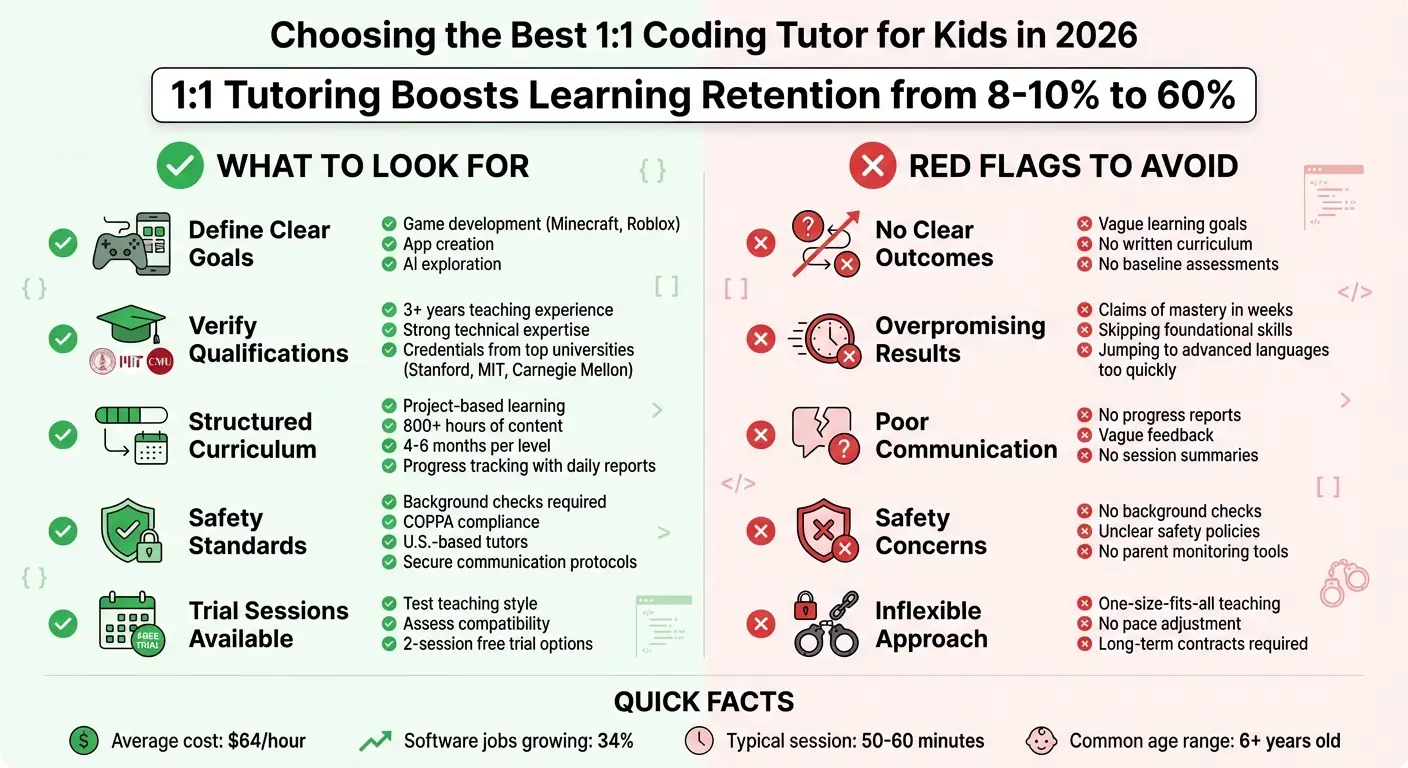
How to Choose the Best Coding Tutor for Kids: Key Criteria vs Red Flags
Table of Contents
Coding for Kids is Easy with Engaging Online Coding Games
Benefits of One-on-One Coding Tutors for Kids
Understanding the benefits of one-on-one coding tutoring highlights how it can significantly enhance your child’s learning experience.
Unlike group classes, personalized coding instruction caters to your child’s individual needs and fits seamlessly into busy family schedules filled with school, sports, and extracurricular activities.
Personalized Learning and Pacing
Every child learns at their own pace. Some kids pick up coding concepts quickly and are ready to move ahead, while others might need extra time to fully grasp the basics. With a private tutor, lessons are tailored to your child’s learning speed, ensuring they master each concept before moving forward.
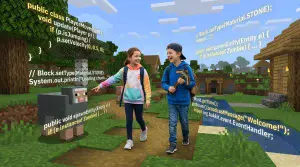
The curriculum can also be customized to align with your child’s interests. For example, if they love Minecraft, lessons can focus on modding. If they’re fascinated by mobile apps or artificial intelligence, the tutor can design projects around those topics. This personalized approach not only keeps them engaged but also helps them better retain what they learn.
Many tutors use a Socratic teaching method, encouraging students to discover solutions through guiding questions rather than simply giving answers. This approach not only strengthens coding skills but also nurtures critical thinking and problem-solving abilities.
Consistent Mentorship and Confidence Building
Having the same tutor week after week creates a mentorship dynamic that boosts confidence over time. The tutor learns your child’s unique learning style, areas of interest, and where they might need extra encouragement.
“Ethan has an incredible way of communicating and interacting with Jonathan which makes every coding class so beneficial and an exciting part of Jonathan’s education.” – Jo Warn, Grandparent
This ongoing relationship provides a safe and supportive environment where kids feel comfortable making mistakes and experimenting with “what if” scenarios. Such experiences are crucial for developing resilience and strong problem-solving skills.
Additionally, the flexibility of online tutoring ensures that even the busiest families can maintain a consistent learning schedule.
Flexibility for Busy Schedules
For U.S. families juggling packed calendars filled with school, sports, and music lessons, online one-on-one tutoring offers unmatched convenience. It eliminates commute time and provides scheduling options that group classes simply can’t match.
Many platforms offer sessions seven days a week, including evenings and weekends. They also allow rescheduling with as little as 24 hours’ notice, making it easy to adjust for unexpected changes.
“Busy parents benefit from swift support from CodaKid. No frustrating long deadlock, but friendly, competent help to keep the kids going.” – Ci Tro, Parent
You can tailor the frequency of sessions to fit your family’s routine. For instance, you might opt for fewer sessions during a busy school week and increase them during summer break. Some services even let you pause lessons for vacations and resume with the same tutor when you’re ready.
These benefits make one-on-one coding tutoring a flexible and effective option for nurturing your child’s coding skills.
How to Choose the Best One-on-One Coding Tutors in 2026
Finding the best one-on-one coding tutors for your child involves weighing several important factors. Here’s how to make the best choice.
Define Your Child’s Goals and Readiness
Begin by clarifying what your child hopes to achieve. Are they dreaming of building Minecraft mods, creating Roblox games, or diving into artificial intelligence for kids? Knowing their goals will help you identify a tutor with the right expertise.
Next, assess your child’s readiness. Consider their age, attention span, and basic computer skills. Many tutoring programs cater to kids as young as six, often starting with visual tools like Scratch, and progress to advanced languages like Java or Python for older students. Children who can stay focused for 50–60 minutes and have basic computer skills tend to benefit the most from private lessons.
Learning styles also matter. Some kids excel by listening and following instructions, while others thrive through hands-on experimentation. A good tutor will adapt their teaching approach to match your child’s energy and preferred learning style.
Once you’ve defined these goals and assessed readiness, it’s time to evaluate potential tutors.
Evaluate Tutor Qualifications and Skills
A tutor’s background and teaching style should align with your child’s needs. Look for tutors with strong academic credentials and practical experience. Many top platforms hire instructors from prestigious universities like Stanford, MIT, and Carnegie Mellon. Ideally, tutors should also have at least three years of relevant teaching experience.
The right tutor isn’t just technically skilled – they’re also great with kids. They should be approachable, engaging, and capable of tailoring their communication to suit your child’s needs. Some platforms even feature industry professionals from companies like Google and Apple, who bring real-world expertise to their lessons.
“What makes a great tutor? They should be knowledgeable and specialized, approachable and engaging, adaptable to individual needs, and organized.” – iD Tech
Teaching methods are equally important. Effective tutors use strategies like the Socratic Method, encouraging kids to solve problems through guided questions rather than simply giving answers. Additionally, ensure the tutor is proficient in the language your child wants to learn, whether it’s Python, JavaScript, Lua for Roblox, or C# for Unity.
Before committing, take advantage of trial sessions to gauge how well the tutor connects with your child and whether their teaching style is a good fit.
Assess Curriculum and Tools
A well-structured, project-based curriculum can keep kids engaged by allowing them to create meaningful projects. Some programs follow a level-based system with set pathways covering topics like game development or Python. Others offer more flexible approaches, letting students choose projects based on their interests.
Make sure the curriculum allows your child to progress at their own pace while mastering each concept before moving on. Regular progress tracking is also essential to keep you informed about their learning journey.
It’s important that the tutor uses tools appropriate for your child’s skill level. For beginners, block-based editors like Scratch may be ideal, but intermediate and advanced students should work with professional tools like VS Code, Unity, or Minecraft Forge.
Beyond the curriculum, safety and privacy should be a top priority.
Check Safety and Privacy Standards
When it comes to online learning, safety is non-negotiable. Ensure that the platform conducts thorough background checks on instructors and complies with COPPA (Children’s Online Privacy Protection Act) standards for U.S.-based students.
Consistency is also key. Platforms that assign the same tutor each week help build a trusted relationship between the instructor and your child. Many parents prefer U.S.-based tutors who are familiar with American school standards and operate within compatible time zones.
Look for platforms with clear communication policies. The best services keep parents informed and provide prompt support for any questions or concerns. Trial sessions are a great way to not only evaluate the tutor’s teaching style but also to assess how the platform handles safety and communication.
Red Flags to Avoid When Choosing the Best One-on-One Coding Tutors
Once you’ve identified the essential qualifications for a coding tutor, it’s equally important to watch for warning signs that could hinder your child’s learning experience. Here are some key red flags to keep in mind before making a commitment.
Lack of Clear Learning Outcomes
If a tutor can’t clearly outline what your child will learn or how progress will be measured, that’s a major warning sign. Before enrolling, ask for a detailed explanation of how they track progress and ensure it’s provided in writing. Quality programs typically start with diagnostic tests or baseline assessments to determine your child’s current skill level, then create a structured learning plan from there.
“Programs without clear goals, progress tracking, and trained tutors consistently underdeliver.” – NerdBot
Be cautious of tutors who only offer general homework assistance without a structured plan for building skills. Look for services that provide a written set of goals, a clear curriculum (such as “My Coding Path”), and timelines for achieving specific milestones. Without these elements, it’s unlikely the tutor will deliver meaningful results.
Overpromising Results
Beware of tutors who claim they can teach your child to master coding in just a few weeks. Learning to code is a gradual process. Reputable programs typically require 4 to 6 months to complete a single curriculum level, and full coding proficiency often takes more than 800 hours of project-based learning.
Another red flag is skipping foundational skills. For example, jumping straight into advanced programming languages like Java or C++ without first building logical thinking skills through beginner-friendly tools like Scratch can set your child up for frustration. A good tutor will adapt to your child’s pace and learning style, ensuring they grasp the basics before moving on to more complex topics.
Inadequate Progress Tracking and Communication
Regular updates are crucial for monitoring your child’s progress. Tutors who fail to provide consistent feedback or session summaries often lack organization and clear objectives. Look for programs that offer detailed progress reports after each session, outlining what your child has learned and their next steps.
Avoid services that are vague about progress metrics or hesitant to document them. Transparent communication about achievements, challenges, and upcoming goals is essential. Programs that don’t carefully track and report progress may fall short of delivering the benefits associated with high-quality, one-on-one instruction, which can lead to significant academic gains.
Online Safety Concerns
Safety is non-negotiable when it comes to online learning. A major red flag is any tutor or platform that does not require mandatory background checks for instructors. While managed platforms typically enforce these checks, some open marketplaces may not have strict requirements.
Ensure the platform prioritizes safety by enforcing background checks and maintaining secure communication protocols. Reliable platforms also offer tools for parents to monitor their child’s progress and may include features like content filtering. If a platform cannot clearly explain its safety policies, it’s best to steer clear.
CodaKid‘s One-on-One Coding Tutors
This section highlights how CodaKid aligns with the best practices for effective online learning.
What Sets CodaKid Apart
CodaKid takes a personalized approach by assigning the same instructor to your child each week, fostering a consistent mentor-student relationship. All tutors are based in the U.S. and come from prestigious universities like Stanford, MIT, Brown, and Cornell. This continuity enables tutors to understand your child’s learning style and tailor lessons to suit their needs.
The platform employs the Mastery Method™, a Socratic teaching style that encourages students to learn through guided questions. Kids use professional-grade tools such as kid-friendly programming languages like Python, JavaScript, and Java to work on real-world projects. These include creating Minecraft mods and Roblox games in industry-standard development environments.
CodaKid’s support doesn’t end with the lesson. Students benefit from ongoing assistance throughout the week, including Drop-In Coaching on Fridays. This ensures that if they hit a roadblock, help is always available.
“CodaKid is outstanding in the quality of its instructors and ease of operation; he’s doing Java coding for Minecraft mods and LOVES it.” – Terrence Masson, Parent
Curriculum, Tools, and Progress Tracking at CodaKid
CodaKid offers 10 learning tracks with over 800 hours of project-based content. Each level takes 4 to 6 months to complete, progressing through a series of projects that build on one another. This structured approach ensures students grasp foundational concepts before moving to advanced topics.
Parents stay in the loop with daily progress reports after each session. These reports detail what was covered, what’s next, and how your child is progressing. This level of transparency helps parents stay informed and engaged in their child’s learning journey.
The curriculum is flexible, adapting to each child’s pace and interests. Whether your child dreams of building AI applications, designing Roblox games, or crafting Minecraft mods, instructors adjust lessons to match their goals. With a 4.9/5 rating from over 350 reviews and more than 100,000 students across 140+ countries, CodaKid has earned its reputation as a trusted platform.
Pricing and Scheduling Options for Families
CodaKid offers two main plans for private lessons:
- Private Lesson 1:1 plan: $249 per month for four 50-minute sessions (around $62 per session).
- Private Accelerated 1:1 plan: $450 per month for eight 50-minute sessions.
Both options are month-to-month with no long-term commitments, and families can pause their accounts for vacations. New users can take advantage of a 2-session free trial, and there’s a 100% instructor match guarantee if the tutor isn’t the right fit. Sessions are available every day of the week, with flexible rescheduling options (24-hour notice required). This flexibility makes it easy to fit coding lessons into even the busiest family schedules.
How to Evaluate a CodaKid Tutor
To ensure the tutor is the right fit for your child, consider these steps during the free trial. Observe how effectively the instructor uses the Socratic method to guide your child toward discovery rather than simply providing answers. Assess their ability to clearly outline learning goals and explain how progress will be tracked over time.
Request detailed session reports, which should highlight specific skills learned, challenges faced, and upcoming objectives. Avoid vague summaries – look for actionable insights. Additionally, inquire about the tutor’s background, especially their experience working with children of your child’s age and interests.
Safety is another important factor. CodaKid conducts sessions via Zoom with live supervision, and all instructors undergo thorough background checks. The platform also uses reCAPTCHA protection and upholds strict privacy standards.
“A huge plus for busy parents is the outstanding and swift support from CodaKid. No frustrating long deadlock, but friendly, competent help to keep the kids going and exploring.” – Ci Tro, Parent
Lastly, pay attention to how the tutor adapts to your child’s pace during the trial. A skilled instructor will adjust their approach, whether that means revisiting fundamentals or diving into advanced material when your child is ready for more challenges. This adaptability is key to fostering both confidence and growth.
Conclusion: Choosing the Best One-on-One Tutors for Your Child
Selecting the ideal coding tutors for your child comes down to aligning their goals and learning style with an instructor who can connect with them and adapt to their needs. Start by identifying what you want your child to accomplish – whether it’s creating Minecraft mods, diving into Python for AI projects, or mastering programming basics. Then, find a tutor whose teaching approach complements how your child learns best.
Consistency plays a big role in effective tutoring. A tutor who works with your child regularly builds trust and gains a deeper understanding of their strengths and challenges. This kind of relationship fosters mentorship, helping kids overcome obstacles and stay motivated. It’s also important to ensure the tutor has completed a thorough background check for added peace of mind.
Progress tracking is another key factor. Look for tutoring platforms that provide detailed session summaries, highlighting what skills were practiced, areas where your child needed extra help, and what’s next on the agenda. These actionable insights allow you to adjust the learning plan as needed, ensuring steady improvement.
Stay involved by scheduling occasional check-ins with the tutor to review long-term progress. Share your child’s school curriculum to address any weak spots and keep an eye on their engagement levels. If they seem bored or overwhelmed, flexible month-to-month plans make it easier to tweak session frequency or shift focus without being tied to long-term commitments.
The right tutor doesn’t just teach coding – they help build confidence and sharpen problem-solving skills. With clear goals, open communication, and regular progress updates, you’ll give your child the tools they need to thrive in their programming journey.
FAQs
What should I look for in a coding tutor for my child?
When picking the best one-on-one coding tutors for your child, start by checking their qualifications and teaching background. Ideally, they should have a solid education in computer science, preferably from well-known U.S. institutions like Stanford or MIT. It’s also crucial that they specialize in the programming languages or platforms your child will be learning – whether it’s Scratch, Python, Roblox, Unity, or even Minecraft modding. Tutors who incorporate project-based learning and practical applications can make coding lessons more interactive and enjoyable for kids.
Just as important is the tutor’s ability to teach and connect with children. The best tutors have experience working with kids of the same age and skill level, can explain concepts clearly, and adjust their teaching style to fit your child’s unique needs. Look for someone who is patient, enthusiastic, and empathetic, while also maintaining a professional approach. This includes offering regular progress updates and creating a safe, encouraging learning environment. These qualities can make all the difference in helping your child succeed and enjoy their coding journey.
How can I keep my child safe and protect their privacy during online coding lessons?
To keep your child safe and protect their privacy during online coding lessons, it’s important to choose a tutoring service that puts security and transparency first. CodaKid offers this by connecting students with U.S.-based, thoroughly vetted instructors who are experienced professionals. All lessons take place on a secure, closed-loop platform, so there’s no need to rely on third-party software or share personal information on unfamiliar websites.
Parents can easily schedule sessions through the CodaKid portal, giving you control over when and how the virtual classroom is accessed. After each lesson, you’ll receive detailed progress reports that outline what was covered and how your child performed. For extra peace of mind, take advantage of features like two-factor authentication, safeguard login credentials, and regularly review the platform’s privacy policies to ensure compliance with child privacy laws like COPPA.
With a secure platform like CodaKid, you can confidently provide your child with a safe and enriching learning environment.
What makes one-on-one coding tutoring better than group classes for kids?
One-on-one coding tutoring provides a personalized learning experience designed to fit your child’s specific needs, pace, and interests – something that’s hard to achieve in group classes. With a private tutor, lessons are tailored to your child’s learning style, ensuring concepts are explained in ways that make sense to them. Plus, they can ask questions and get answers right away. Tutors can also adjust lesson difficulty on the spot and offer targeted homework support.
Private sessions keep kids engaged by incorporating project-based learning with tools they already enjoy, like Python, Minecraft, Roblox, Unity, and Scratch. Lessons can even be tailored to align with their favorite hobbies or games, making coding both exciting and relatable. This hands-on approach not only makes learning fun but also helps kids progress quickly, building confidence as they move from beginner tools like Scratch to more advanced topics, such as Python, Java, AI, or game creation.
In group classes, instructors often can’t give each student the attention they need, which can slow progress or leave questions unanswered. One-on-one tutoring ensures your child receives dedicated support and immediate feedback, helping them develop problem-solving skills and stay motivated as they advance in their coding journey.