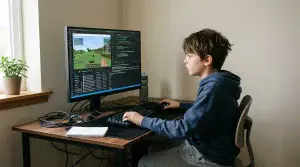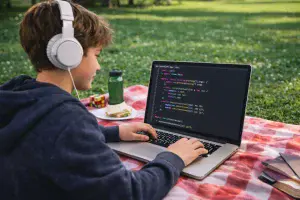
Youth coders are reshaping the internet by building safer, more engaging online spaces. Kids and teens today aren’t just consuming digital content – they’re creating it. Through coding platforms like Scratch, Roblox Studio, Python, and JavaScript, they’re learning to design apps, games, and websites that prioritize user safety and inclusivity.
Key takeaways from this article:
- Coding builds problem-solving skills: Kids who code improve logical thinking by 70%.
- Ethics in programming matters: Teaching responsibility ensures young developers create tools that respect privacy and encourage positive interactions.
- Educational tools make coding accessible: Platforms like CodaKid provide structured paths, from beginner courses to advanced projects.
- Hackathons drive real-world solutions: Young programmers tackle challenges like cyberbullying and accessibility through collaborative events.
Table of Contents
Is Coding Good for Kids?
Coding Platforms and Tools for Young Developers
Programming platforms offer youth coders an exciting entry point into the world of development, blending simple, hands-on activities with more advanced tools. Let’s explore how beginner-friendly tools and CodaKid’s methods help aspiring developers grow their skills.
Getting Started with Beginner Coding Tools
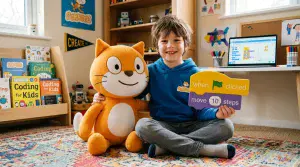
Scratch provides a fun, visual way to learn coding. It uses colorful blocks that snap together, helping kids grasp concepts like loops, conditionals, and variables without worrying about complex syntax. Plus, its community features let students collaborate and share their creations, whether they’re interactive stories, games, or animations.
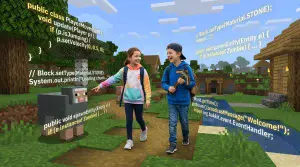
Roblox Studio is a favorite for teens eager to design 3D games. Using Lua, they learn game mechanics, 3D modeling, and scripting while exploring monetization features. This not only teaches coding but also introduces them to digital entrepreneurship, as their games can reach millions of players.
Python is a fantastic starting point for text-based coding. Its easy-to-read syntax makes it approachable for beginners, and it opens the door to more advanced areas like web development, data analysis, and even AI projects, thanks to its vast library ecosystem.
JavaScript, when paired with HTML and CSS, lets kids build interactive websites and browser games. The instant visual feedback it provides keeps learners engaged, as they see their ideas come to life right away.
These tools not only teach coding but also encourage kids to create safe, welcoming online spaces.
How CodaKid Teaches Youth Coders

CodaKid takes coding education to the next level, building on beginner tools like Scratch and Python to teach real-world skills through hands-on projects. From the start, students work with professional programming languages and tools. CodaKid offers three flexible learning options:
- Self-paced courses ($29/month): Access to over 85 courses with help desk support for troubleshooting and guidance.
- Private 1:1 lessons ($249/month): Weekly live instruction tailored to the student’s needs, complete with progress reports.
- Virtual camps: Intensive sessions with two hours of daily, project-focused learning.
CodaKid’s curriculum is all about practical experience. Students learn to use actual code editors, version control systems, and frameworks while creating real projects like chatbots, mobile games, and interactive websites.
The program’s structured learning paths ensure concepts are introduced step by step, with certificates awarded for milestones to keep students motivated. By the end, learners have a portfolio of real, functional applications they can proudly showcase.
How to Build Safer and More Welcoming Online Spaces
Youth coders have the power to shape digital spaces that not only protect but also uplift communities. By combining technical safeguards with thoughtful design, they can create online environments where users feel safe, respected, and valued. This approach serves as the foundation for practical security measures and user-focused design.
Adding Basic Security Features to Projects
To make projects safer, it’s essential to start with the basics. Young developers can focus on key elements like verifying user inputs, safeguarding private data, and blocking unauthorized access. These small but critical steps build trust and ensure users feel secure while interacting with their applications.
Creating Apps and Tools That Help Communities
Technical safeguards are important, but the way a platform feels to its users matters just as much. Coders can go further by designing apps that encourage positive interactions. Features like accessibility, clear communication tools, and responsive user support can make a world of difference. By prioritizing these elements, young developers can create platforms that not only meet community needs but also promote a sense of connection and well-being.
Youth-Led Coding Projects That Make a Difference
Youth coders are proving that age is no obstacle when it comes to making an impact. By creating tools to combat cyberbullying and improve accessibility, they’re helping to build safer, more inclusive online spaces. These efforts showcase how technical skills, combined with firsthand understanding of peer experiences, can lead to meaningful, community-centered solutions. From games to apps that teach online safety, their projects are both inventive and practical.
Games and Apps That Teach Online Safety
Interactive tools are a favorite among young developers for promoting online safety and responsible digital behavior.
Take Interactive Safety Simulators, for example. These tools use scenario-based gameplay to teach users how to handle suspicious messages or protect their personal information. The hands-on approach makes learning about online safety engaging and memorable.
Then there are Peer Education Platforms, which focus on teaching essential skills like password security, privacy settings, and recognizing scams. These platforms often appeal to younger audiences by incorporating elements from popular culture and trending social media platforms. Some even include features for reporting issues or connecting users with community support, making them both educational and practical.
Projects Built During Hackathons and Coding Camps
Hackathons and coding camps are prime examples of how youth coders can create meaningful digital solutions. These high-energy, collaborative events challenge participants to tackle real-world problems using their coding skills.
During these events, young developers have created tools like community apps that connect users and accessibility features such as browser extensions or mobile apps with text-to-speech and high-contrast options. These projects help make online spaces more user-friendly for everyone.
Some coding camps have also inspired the development of anti-harassment tools designed to monitor and reduce harmful interactions online. For instance, participants in CodaKid’s virtual camps have built projects ranging from Discord bots that encourage positive group interactions to web applications that help organize community events. These programs provide structured guidance while encouraging creativity, resulting in tools that address real challenges in online communities.
Beyond just technical skills, the collaborative nature of hackathons and coding camps teaches critical thinking, problem-solving, and ethical tech practices. Young developers are encouraged to think about the broader impact of their work, considering how their code can contribute to creating a more positive and inclusive digital world. These experiences not only prepare them for future challenges but also inspire them to use technology to drive meaningful change.
How Coding Builds Skills for the Future
Learning to code equips young people with both technical know-how and essential life skills. The process of crafting digital solutions fosters a well-rounded skill set, blending technical expertise with lessons in ethics, teamwork, and analytical thinking. This combination sets the stage for success in a world that increasingly values both technical and interpersonal abilities.
Technical Skills Kids Gain Through Coding
When kids dive into coding, they get hands-on experience with programming languages and tools that bring their ideas to life. For example, Python introduces them to foundational concepts and even dives into advanced areas like artificial intelligence (AI). Platforms like Scratch and Thunkable use block-based coding, simplifying complex ideas with visual interfaces and easing the transition to text-based programming.
Through projects like building apps, designing interactive games, and creating websites, students gain practical experience. They also explore cutting-edge topics such as AI, chatbots, and natural language processing (NLP). These technical skills open the door to a variety of career paths in technology down the road.
Social and Ethical Skills Developed Through Coding
Coding isn’t just about writing lines of code – it’s also about solving problems, thinking critically, and working through challenges. As students tackle projects, they sharpen their ability to analyze and iterate, which are skills that carry over into many areas of life.
Collaboration is another key aspect. Coding competitions and hackathons encourage teamwork and offer opportunities to learn from peers. These events also help youth coders develop an understanding of ethical considerations, laying the groundwork for responsible digital citizenship.
The Role of Structured Programs and Mentors
Programs like CodaKid provide structured learning paths that guide students through both technical and interpersonal skill-building. Mentors play a crucial role in these programs, offering personalized advice and helping students navigate challenges. They also expose learners to potential career opportunities in tech, making the journey even more meaningful.
Structured programs often foster collaborative communities where students share ideas and work together. This environment helps youth coders not only refine their technical skills but also develop the mindset of a developer – thinking critically about the broader implications of their work and contributing to a more thoughtful digital world.
Conclusion: Supporting the Next Generation of Digital Creators
As we’ve seen, youth coders today hold the potential to reshape our digital landscape, crafting online spaces that are safe, inclusive, and rooted in community. Coding isn’t just about mastering technical skills – it’s about developing the mindset and tools to tackle the challenges of an increasingly connected world.
The journey to becoming a skilled coder thrives on consistent support. When parents provide access to quality resources and encourage creative exploration, they empower their kids to thrive. Giving children the freedom to experiment with coding, while instilling a sense of digital responsibility, helps them grow into technically skilled and ethically minded individuals.
Programs like CodaKid’s, which combine self-paced courses with personalized lessons, give young learners the tools they need to build practical skills. As discussed earlier, the combination of technical know-how and ethical awareness equips these future digital leaders to make a meaningful impact.
But the influence of coding education goes far beyond individual growth. When kids learn to code with purpose and a sense of responsibility, they become digital citizens who can drive positive change online. They recognize how their programming choices affect others and use that understanding to create tools, games, and applications that contribute to a better internet for everyone. This focus on ethical design is the foundation for a safer, more inclusive digital future.
Supporting young coders is an investment in a world where technology serves everyone. By offering the right resources, encouragement, and learning opportunities, parents can help their children become thoughtful and intentional digital creators – programmers who build not just for the sake of building, but with empathy, purpose, and a vision for a more connected and compassionate digital world.
FAQs
What steps can youth coders take to build safe and inclusive online spaces?
Young programmers have the opportunity to shape safe and welcoming online spaces by embracing ethical design principles. This means paying close attention to user privacy, incorporating tools to curb harmful behavior, and fostering respect and inclusivity in their projects.
Using platforms like Scratch, Python, or Roblox Studio, they can create innovative features like moderation systems or clear community guidelines to ensure a positive environment. Collaborating with others and seeking feedback from people with different perspectives can further help these spaces meet the needs of a diverse audience.
By focusing on these goals, youth coders not only sharpen their technical abilities but also cultivate important values like empathy and accountability.
How do platforms like Scratch and Roblox Studio help young programmers develop problem-solving skills?
Platforms such as Scratch and Roblox Studio offer young programmers an engaging way to develop problem-solving skills. By crafting games, animations, and interactive projects, kids learn how to break complex ideas into manageable steps, identify and fix issues, and think critically to achieve their objectives.
These tools also spark creativity and promote logical thinking. As kids experiment with coding concepts to design entertaining projects, they build confidence in their abilities and pick up technical skills that can translate into practical, everyday problem-solving.
How does CodaKid help youth coders build both technical skills and a strong sense of online responsibility?
CodaKid takes a well-rounded approach to teaching coding by pairing hands-on projects with lessons on responsible online behavior. Kids and teens get to create exciting games, apps, and websites using popular tools like Python, Scratch, and Roblox Studio. Along the way, they build practical technical skills while tapping into their creativity.
But it doesn’t stop there. CodaKid also emphasizes the importance of thinking critically about how digital creations affect others. Through relatable examples and guided activities, students explore topics like inclusivity, safety, and fostering positive interactions online. This approach not only helps them design engaging, community-centered digital spaces but also nurtures their growth as thoughtful and responsible digital citizens.