AI is making digital art easier and more fun for kids. With AI tools, kids can create art by simply describing their ideas, skipping the harder steps of traditional digital art programs. These tools not only make art accessible but also help kids develop problem-solving skills and confidence in their abilities. Here’s how AI transforms digital art for kids:
- Simple Creation: Kids can turn ideas like “a flying purple dragon” into art instantly, without needing advanced skills.
- Safe Experimentation: AI allows kids to tweak their creations without fear of mistakes, encouraging exploration.
- Skill Development: Through guided projects, kids learn storytelling, design, and even basic coding.
- Inclusive Tools: AI adapts to all skill levels, enabling everyone to participate and succeed.
Platforms like CodaKid go a step further by combining digital art with coding lessons, teaching kids how AI works while they create. This prepares them for a tech-driven future where art and technology go hand-in-hand.
AI is opening doors for kids to explore art in ways that were once out of reach, making it a fun and educational experience for all skill levels.
Table of Contents
Inside CodaKid: The AI & Coding Course Every Parent Should Know About
How AI Transforms Digital Art
AI is changing how kids get into digital art, making it easy and fun by taking away the hard parts that made making art seem too much. These tools work like creative aids, turning basic ideas into bright art without any need for past training or knowing complex programs. This lets young ones try and love art in a way that grows their trust and skills.
AI Generators for Easy Art Making
AI gives a fun way for kids to make their ideas real using just words or simple drawings. No need for hard drawing ways or too many choices – kids just say what they think of, and AI does the rest, making their words into great pictures quickly.
For example, a kid might write, “a purple dragon flying over a candy castle”, and the AI will make a picture that fits what they thought of. It takes care of the hard stuff – like mixing colors, making shades, and getting the picture right – so kids can just think about their ideas and stories. Some sites even let kids use easy coding with drag-and-drop moves to make their own AI art projects.
Learning Skills by Trying Out
AI tools also push kids to try new things with their ideas. Old-style art can be scary because wrong moves stay, but AI takes away that worry by making it simple to change things, go back, and try different ways any time.
For instance, a kid might start with “a happy cat”, then change it to “a happy cat wearing a superhero cape” or “a happy cat in a magical forest.” While trying these changes, they see how small tweaks make new things happen. This way doesn’t just bring out their creative side but also builds their thinking skills as they check what fits, change their thoughts, and better their art.
Kid-Safe Features for Young Artists
AI art sites are made for young users, with features that make creating art fun and simple. Instead of hard menus, these tools usually have colorful, easy-to-use boards that let kids explore by themselves.
Starting hints help beginners begin. Instead of looking at an empty space, kids might see tips like “Design an animal that lives in space” or “Imagine your dream bedroom”, helping them start their creative journey and learn how to use the tools well.
Hands-on lessons make art ideas easy to do in small steps. For example, kids can study color theory by changing the same picture to different colors or try out many art styles by flipping between comic book looks and watercolor patterns. Lots of sites give live help to keep kids into it and sure as they build their art and tech skills. These parts make a helpful spot where young ones can increase and do well in their creative ways.
How AI Helps Kids Feel Sure in Art
AI has changed how kids get into art, making them more sure of their creative skills. Old-school art can make kids scared of messing up and stop their ideas. AI cuts this fear by always showing nice results. This change lets kids try and explore more, not just try to be perfect, and helps them feel good about their art skills for a long time.
Art for Every Skill Level
AI lets all kids make art, no matter how good they are. It acts like a fair tool, turning even easy ideas into well-done art that kids are proud of. For kids who find basic drawing hard – like holding a pencil or making straight lines – AI helps them make cool, full art that makes them feel good and excited.
Kids enjoying quick wins with AI tools makes them want to keep making and trying new things. Seeing their ideas show up fast makes them feel they did well, a feeling hard to get with old ways. From young kids typing “rainbow unicorn” to older ones making detailed art notes about light and shadow, AI changes to fit their skills, making sure everyone is happy. This way, brothers and sisters of different ages can work together without feeling left out or too much.
Many AI systems grow with the child. Beginners start with easy ideas, but more skilled users can change colors, play with how things are set up, or change the style. This slow gain keeps kids into art and sure as they get better.
AI also pushes kids to make art with a clear goal that makes them think and solve problems.
Learning by Projects
AI is great for planned art projects that mix clear goals and free creativity. These projects boost their art view and help them solve problems by guided trying.
Story drawing is a great fit. Kids can make a set of pictures that tell a full story, learning how stories flow, keeping characters the same, and showing stories with pictures. Each picture leads to the next, making them think ahead and plan while keeping the focus on being creative, not on just drawing right.
Themed Art Fun
Themed art fun is another way AI brings out creativity. For example, kids might spend a week on ideas like “animals in space” or “what if stuff we use every day had faces.” Using AI, they can try out their ideas fast, find new ways, and make their ideas better. These fun times make kids think outside the normal and get better at coming up with and lifting their art ideas.
Working on art in a group helps kids feel sure about their art. When kids team up on big art tasks, AI helps each one add in their own way, no matter how well they can do art alone. For instance, one kid may make people while another does the scenes, with AI tools helping both. This team play lets kids see that art can be a group and friend-filled thing, not just a lone or race-like act.
AI’s quick picture feedback helps make choices sharper, too. As kids try out different words or tweaks in style, they see how these shifts change their final work. This hands-on try lets them think more on how it looks, the use of color, and the whole feel, making them more sure of their art choices.
With stronger trust in their art, kids are all set to go deeper into digital art with more hard and hands-on learning chances.
CodaKid: Fusing AI, Code, and Digital Art for Kids
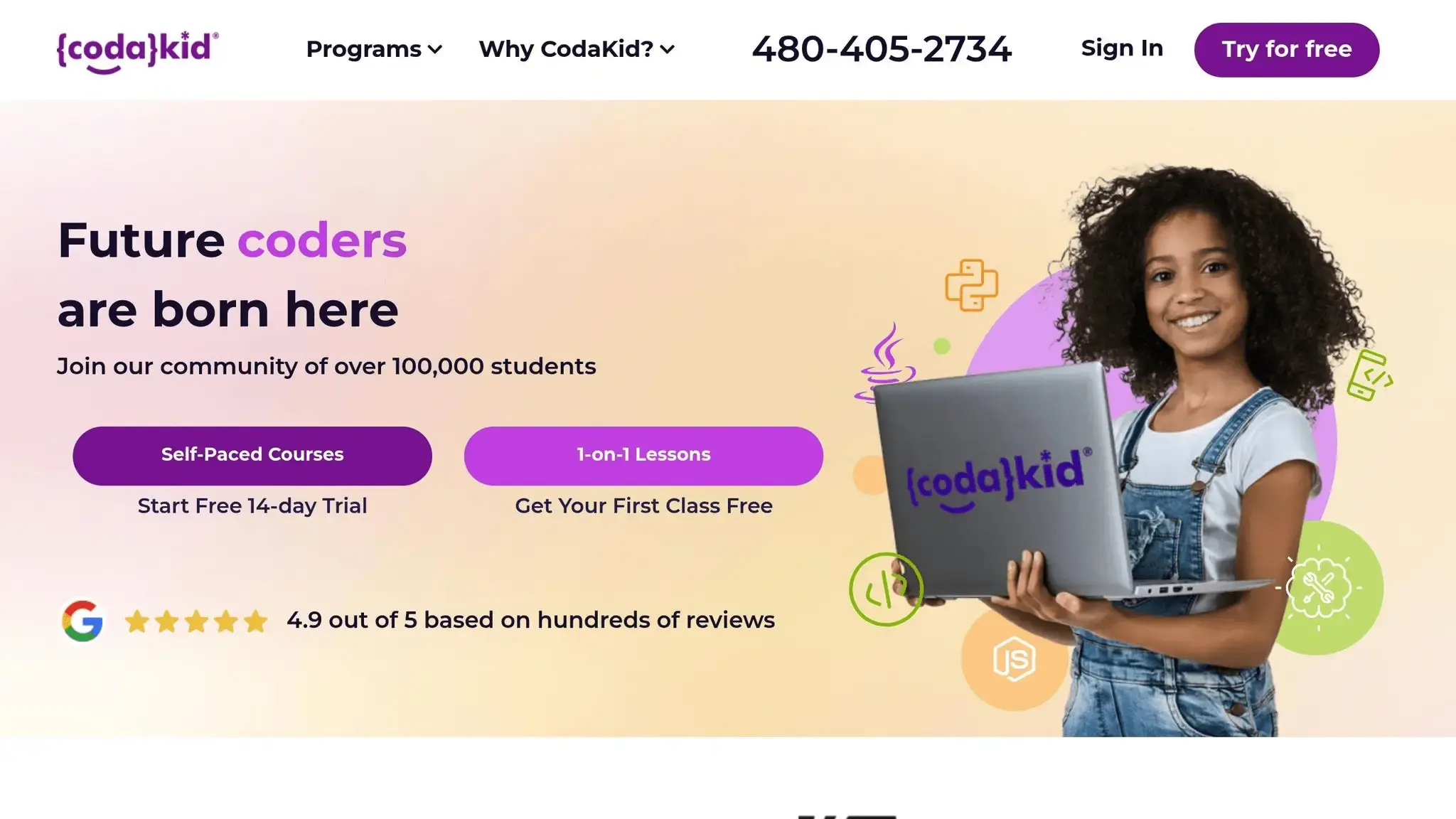
CodaKid is changing how kids use tech by mixing AI-made art tools with key code skills. This site doesn’t just show kids how to make art, it helps them get the tech behind it. By adding creative work with tech know-how, CodaKid gives young ones the means to use and get AI tricks.
What makes CodaKid stand out is its aim to teach the code base that runs AI tools. Kids jump into code languages like Python and JavaScript, while finding out how AI matches with digital art. This method turns students from just users into makers, giving them the push to make new things and try out stuff. Here’s how CodaKid does this.
Learning by Doing with Real Tools
CodaKid doesn’t use easy tools; it shows kids the same code languages and setups used by pros. This real action makes skills that last past school doors. By tying code ideas right to digital art work, kids not only learn code but also see their art flare up. The lessons include web building too, letting kids show their art in live projects.
Learn Ways That Fit Every Home
Knowing all homes are different, CodaKid brings three learn ways made to match varied times, money, and learn needs:
| Learning Choice | Price Each Month | Good For | Main Points |
|---|---|---|---|
| On Your Own Time | $29 | Those who like learning alone | Over 85 lessons, video help, support desk |
| One-on-One Help | $249 | Learners wanting one-on-one help | Every week meets, same teacher, updates on how you do |
| Online Groups | Changes | Summer fun and group work | Week full programs, top teachers |
With do-it-yourself courses, kids can learn at their own pace. This is great for kids who like to study alone. Private classes give one-on-one teaching made just for each kid’s needs, while online camps offer full, week-long fun that’s great for school holidays.
A Safe and Caring Place to Learn
CodaKid works hard to make a kind and safe place where kids can do well. The service has live help ready, detailed checks on how you do, and awards to mark big wins. For families with full days, bendy class times help kids keep up without too much stress. This caring set-up lets kids grow sure of themselves as they get better at art and tech stuff.
End: How AI Changes Kids’ Digital Art Fun
AI has made new ways for kids to get into digital art. What used to need long study and pricy tools is now open to any kid with an itch to try and creative ideas. These tools have wiped out old limits that kept many kids from trying digital art.
But it’s not just simpler to make art. AI has turned digital art into a fun spot to learn – a place where kids can get brave, try with no fear, and get better at both art and tech skills. Rather than being stuck by hard tools, kids can shape their art dreams and see how tech lifts their ideas.
One big shift is how AI lets kids of all skills try digital art. This open door lets more kids try to make and learn with tech, leading to new ways of learning and making.
This change is also changing learning. Places like CodaKid mix AI art tools with code lessons, teaching kids not just using tools but also how they work. By learning code like Python and JavaScript, kids understand more about tech behind AI, readying them for a future where art and tech mix deeply.
This change helps a lot beyond each kid. As kids get good with AI art tools and learn how they work, they are getting ready for future jobs in creative fields. They are not only artists – they are becoming smart creators and fixers.
AI hasn’t pushed out old art skills; it’s grown what’s possible. Kids now have tools to make their big ideas real while learning the tech skills they’ll need in a more digital future. It’s a mix of art and tech that’s getting ready a new group of big thinkers.
FAQs (How AI Transforms Digital Art)
How does AI help kids build valuable skills beyond creating digital art?
AI makes creating digital art not just easier but also an opportunity for kids to build important skills. By using AI tools, children can sharpen their problem-solving skills, boost logical thinking, and tap into their imagination.
These tools inspire kids to explore, learn by trial and error, and think critically about how to bring their ideas to life. Plus, working with AI sparks curiosity and encourages flexibility, helping prepare them for a tech-driven future.
What are some safe and easy-to-use AI tools for kids to explore their creativity in digital art?
AI tools are opening up exciting opportunities for kids to dive into the world of digital art. Many of these tools are designed with simplicity and safety in mind, making them perfect for beginners. For instance, AI-powered drawing apps can guide kids as they sketch, color, and create eye-catching visuals with minimal effort. Meanwhile, AI-assisted animation software lets them bring their characters to life, no advanced technical know-how required.
Beyond just simplifying the process, these tools inspire kids to explore, experiment, and grow more confident in their artistic skills. Take platforms like CodaKid, for example. They don’t just provide creative tools – they also teach kids how AI operates behind the scenes and transforms digital art. This way, kids can not only use these tools effectively but also gain the knowledge to develop their own AI-driven projects in the future.
How does CodaKid combine coding and digital art to inspire creativity in kids?
CodaKid brings coding and digital art together with courses that guide kids in creating visually engaging projects while mastering programming. Through interactive, game-inspired lessons, kids can dive into designing digital art, crafting animations, and building interactive creations using real coding languages like Python and JavaScript. This is how CodaKid AI transforms digital art.
By combining creativity with technical know-how, CodaKid encourages kids to express themselves artistically while sharpening their problem-solving skills. This hands-on learning style keeps things engaging and fun, sparking imagination as kids build practical STEM abilities along the way.