Real-time feedback is transforming how students learn AI and coding. Here’s why it matters:
- Instant Guidance: Students get immediate help with errors, improving their understanding on the spot.
- Boosts Confidence: Quick feedback keeps learners motivated and reduces frustration.
- Personalized Learning: Tools adapt to each student’s pace and skill level, offering tailored challenges or support.
- Teacher Support: Automating basic error detection lets educators focus on deeper concepts and mentoring.
Key Tools and Strategies:
- AI-Powered Tools: Code analyzers, virtual tutoring, and interactive debugging systems provide actionable insights.
- Human-AI Collaboration: While AI handles technical issues, instructors guide broader learning and creativity.
Though these systems improve engagement and outcomes, challenges like over-reliance, technical barriers, and privacy concerns need addressing. Platforms like CodaKid combine AI tools with human support, offering self-paced courses, expert help, and professional coding languages like Python and JavaScript.
Real-time feedback isn’t just about fixing mistakes – it helps students develop problem-solving skills and prepares them for tech-driven careers.
New to AI? Start with our beginner’s guide to AI for kids.
Table of Contents
The Easiest Way To Run Local AI (Free)
Research Findings on the Impact of Real-Time Feedback
Real-time feedback plays a crucial role in AI and coding education. By providing learners with immediate responses, it helps them quickly identify and correct mistakes while reinforcing fundamental programming concepts. Studies show that this timely feedback not only clarifies errors but also speeds up the learning process.
Improved Learning Outcomes
When feedback is provided instantly, learners can see the effects of their code changes right away. This direct connection between actions and results strengthens their understanding of programming concepts. The iterative nature of this feedback process helps learners build practical coding skills, setting a solid foundation for tackling more advanced challenges.
Increased Engagement and Confidence
Immediate feedback also makes the learning experience more engaging. Quick responses offer encouragement, creating a sense of achievement that motivates learners to keep going. This timely support reduces frustration and boosts confidence, making it easier for students to approach complex problems with a positive mindset.
These insights highlight the importance of real-time feedback in modern coding education, emphasizing its role in fostering both skill development and student success.
How to Implement Real-Time Feedback in Coding Education
Bringing real-time feedback into coding education means combining instant, actionable responses with essential human guidance. Below, we’ll explore key technologies, practical strategies, and the role of human support in shaping effective feedback systems.
AI-Powered Tools for Feedback
Modern AI tools are transforming how students receive feedback on their code. Code analyzers can instantly flag issues like a missing semicolon in JavaScript or incorrect indentation in Python, helping students strengthen their foundational coding skills.
Virtual tutoring systems adapt to individual learning styles, offering tailored explanations for students who need extra help and presenting advanced challenges for those ready to move ahead.
Interactive debugging tools take it a step further by walking students through their errors. Instead of just pointing out what’s wrong, these tools ask guiding questions, encouraging students to understand the root cause of their mistakes and how to avoid them in the future.
The success of these tools lies in their ability to provide feedback that’s not only accurate but also relevant. The best implementations evaluate the student’s code, learning history, skill level, and assignment goals to ensure feedback aligns with their unique learning journey.
Best Practices for Educators and Parents
To maximize the benefits of real-time feedback systems, educators and parents play a crucial role:
- Align tools with learning goals: Feedback tools should enhance, not replace, teaching objectives. Educators need to ensure these systems complement their lesson plans and improve the learning experience.
- Understand feedback data: Teachers should learn to interpret the data these tools provide, recognizing patterns in errors, knowing when to step in, and adjusting lesson plans based on student needs.
- Engage parents: Parents can amplify the impact of these tools by understanding how they work, encouraging students to act on feedback, and creating supportive environments for coding practice. Regular communication between teachers and parents ensures students receive consistent guidance at school and home.
- Introduce systems gradually: Start with basic features like syntax checking. Over time, add more advanced tools to allow everyone – students and educators – to adapt smoothly. This phased approach also helps identify technical issues early.
Combining Human and AI Feedback
The most effective feedback systems strike a balance between AI and human input. AI excels at handling immediate, technical issues, while human instructors provide emotional support, creative insights, and guidance on complex problems.
Here’s how this combination works:
- Layered feedback: AI can tackle syntax errors and basic logic issues, freeing instructors to focus on broader concepts like code structure, design patterns, and creative problem-solving.
- Escalation protocols: When a student struggles repeatedly, AI systems can flag the issue for human review. Similarly, questions about project planning or creative decisions are directed to instructors for personalized guidance.
- Comprehensive progress tracking: AI monitors technical skill development and identifies gaps, while human instructors assess creativity, collaboration, and problem-solving. Together, they offer a complete view of student progress.
This hybrid system creates custom learning paths. While AI adjusts difficulty levels and pacing based on performance, human instructors consider individual interests, learning styles, and motivational factors, ensuring students stay engaged and prepared for more advanced challenges.
Platforms like CodaKid showcase this approach by combining automated feedback with human support. Students in self-paced courses receive instant AI-driven feedback on their code, while also having access to instructors for deeper explanations or creative advice. This blend of efficiency and expertise ensures students get the best of both worlds.
Benefits and Challenges of Real-Time Feedback Systems
Real-time feedback systems in coding education bring a mix of opportunities and obstacles for both educators and students. Recognizing both aspects can help create a more balanced and effective learning experience.
Advantages of Real-Time Feedback
These systems offer several clear advantages that can significantly enhance the learning process:
- Immediate error correction: Students can spot and fix syntax issues, logic errors, and inefficiencies as they code. This not only saves time but also helps maintain a steady learning pace, boosting their confidence as they see improvements instantly.
- Personalized learning experiences: The system adjusts to each student’s unique pace and skill level. Fast learners can tackle more advanced challenges, while those needing extra support get the guidance they require – ensuring everyone progresses at their own speed.
- Increased engagement: Real-time feedback keeps students actively involved in their work. Instead of waiting for teacher input or grades, they interact with their learning material continuously, often in a way that feels as engaging as a game.
- Encourages independent learning: By interpreting and acting on feedback themselves, students develop critical self-reliance. They learn to troubleshoot, understand error messages, and solve problems without constant teacher intervention.
- Lightens teacher workload: With the system handling basic error detection, educators can focus on more advanced concepts, creativity, and mentoring. This shift allows them to spend more time on meaningful interactions with their students.
Challenges of Real-Time Feedback
However, these systems also come with challenges that need careful consideration:
- Risk of over-reliance: When feedback is instant, students might lean too heavily on the system, potentially missing out on learning essential problem-solving and debugging skills.
- Technical hurdles: Not all schools have access to the necessary resources, such as reliable internet or up-to-date devices. These gaps can lead to unequal learning opportunities.
- Shallow learning risks: While immediate corrections are helpful, they can sometimes prevent students from reflecting deeply on their mistakes or understanding the “why” behind better coding practices.
- Costs and accessibility: Implementing advanced systems often requires significant investment in software, hardware, and teacher training – expenses that may be out of reach for many institutions.
- Privacy and data concerns: These systems collect detailed data on students’ work and progress. Schools need to ensure that this information is stored securely and used responsibly.
Comparison Table
| Advantages | Challenges |
|---|---|
| Immediate error correction boosts confidence | Over-reliance may hinder problem-solving skills |
| Personalized learning adapts to each student | Limited access due to technical barriers |
| Keeps students engaged through interaction | May focus on quick fixes instead of deeper understanding |
| Encourages self-directed learning | High costs may limit implementation |
| Reduces teacher workload for basic errors | Privacy and data security concerns |
| Builds confidence with real-time improvements | May not foster comprehensive conceptual learning |
The success of real-time feedback systems depends on thoughtful implementation. These tools should complement – not replace – teacher guidance and the student-teacher connection. Striking the right balance between automation and personal interaction can help maximize the benefits while minimizing potential downsides.
CodaKid‘s Approach to Real-Time Feedback
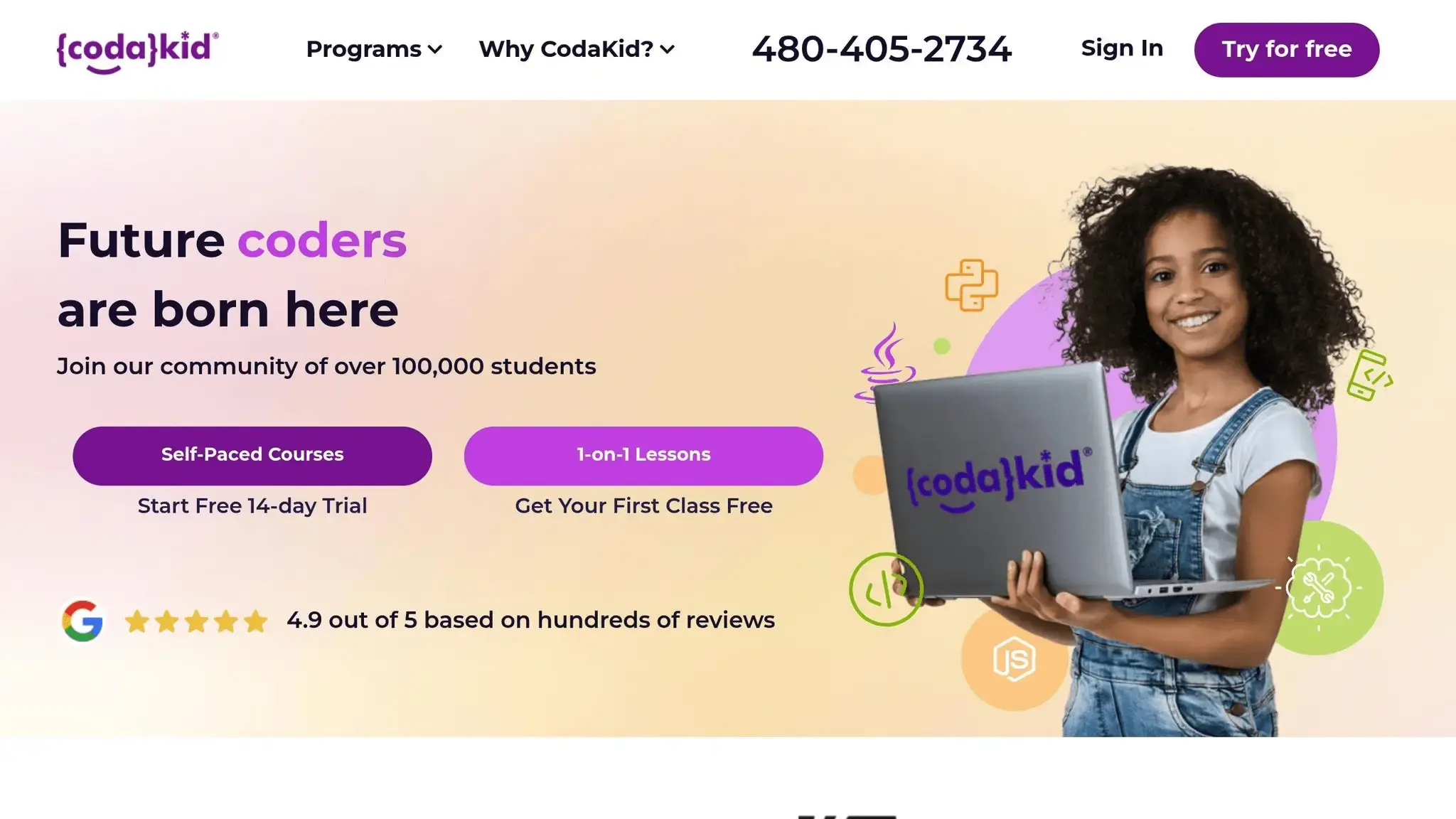
CodaKid has crafted a learning platform that blends cutting-edge technology with personalized human support, making real-time feedback both effective and approachable. By combining industry-standard programming tools with direct instructor assistance, CodaKid ensures students receive timely help whenever they encounter challenges.
Key Features of CodaKid’s Platform
One standout feature of CodaKid is its unlimited help desk support for all self-paced courses. This ensures students can get immediate assistance with coding problems or technical hurdles. Parents have consistently praised the platform’s responsiveness, reflected in its impressive 4.9 out of 5 rating based on over 350 reviews.
“The response to help requests is always immediate and they do a great job finding and explaining the issues he may be having.” – Christy Lynn, parent
This robust support system lays the foundation for students to confidently use professional-grade tools that simulate real-world programming environments.
Use of Professional Tools and Languages
CodaKid sets itself apart by immersing students in an authentic coding experience. Learners work with programming languages like Python, JavaScript, and Java – the same tools used by professional developers. This hands-on exposure not only helps students troubleshoot coding errors but also equips them with skills they can apply to real-world projects.
The Role of Human Feedback
While technical skills are essential, CodaKid emphasizes the importance of human interaction to enhance the learning journey. Automated responses are paired with direct instructor support, available through unlimited help desk assistance and private 1:1 lessons. These lessons follow a Socratic teaching approach, encouraging students to think critically and understand the reasoning behind various coding solutions.
Expert instructors provide personalized guidance from the very start – assisting with setup, answering questions, and offering ongoing support. During live coding sessions, instructors help students explore different methods, explaining why some approaches are more effective than others.
“CodaKid is outstanding in the quality of its instructors and ease of operation.” – Terrence Masson, parent
Ethical Considerations
Using advanced real-time feedback systems in education demands thoughtful ethical practices. These systems not only need to safeguard student data but also foster trust, which is essential for effective learning in coding education. The combination of AI tools and continuous data collection brings up critical concerns about privacy, accessibility, and the responsible use of technology in learning environments.
Privacy and Data Security
Educational platforms often handle sensitive student data, such as certifications, recordings, and progress reports. To maintain trust, providers must enforce strict security measures and transparent data policies. Parents, in particular, look for platforms that prioritize data protection, with leading coding education providers taking strong steps to prevent breaches and unauthorized access.
Parental controls and monitoring tools play a key role in reassuring families about their children’s online safety and data use. Developers should establish clear guidelines on how long data is retained, who can access it, and how it might be used beyond the classroom. Striking the right balance between collecting data for effective feedback and ensuring privacy is critical. In the U.S., for instance, compliance with regulations like COPPA is a legal and ethical necessity.
These measures are not just about privacy – they’re also essential for building trust and ensuring fair access to educational tools.
Promoting Equity and Accessibility
When designed thoughtfully, real-time feedback systems can open the door to high-quality coding education for a broader audience. Personalized learning approaches adapt to diverse learning styles and paces, helping students – including those from underrepresented backgrounds – receive tailored instruction based on their unique needs.
Online platforms also help overcome logistical barriers. Features like self-paced courses, flexible scheduling, and classes in local time zones make learning more accessible. Additionally, support systems such as 24/7 doubt resolution and responsive help desks ensure students can get assistance no matter where they are located.
However, challenges like limited internet access, lack of devices, and varying levels of digital literacy still exist. To address these gaps, platform developers should explore partnerships with schools, libraries, and community organizations to expand access and bridge the digital divide. By tackling these issues head-on, educational platforms can move closer to making coding education accessible for all.
Conclusion: The Role of Real-Time Feedback in Shaping Future Coders
Real-time feedback systems are reshaping how coding and AI education are delivered. Studies highlight that immediate guidance, tailored instruction, and ongoing progress tracking not only improve learning outcomes but also help students build the confidence needed to tackle challenging programming tasks.
When students receive real-time feedback, they strengthen their problem-solving skills, stay more engaged, and develop the resilience required for thriving in tech careers. This approach goes beyond teaching basic skills – it creates an environment where learners can experiment, make mistakes without fear, and iterate quickly. These are essential abilities for anyone looking to excel in coding.
As technology continues to advance, programming, AI, and machine learning are becoming integral to nearly every industry. To keep pace, students must acquire not just technical know-how but also the ability to adapt and grow. Real-time feedback systems prepare learners for this reality, equipping them with both the technical skills and the adaptability needed to work seamlessly with human mentors and AI tools.
This rapidly changing landscape also calls for ethical awareness. For parents and educators aiming to prepare young learners for a tech-driven world, platforms like CodaKid offer a well-rounded solution. With self-paced courses, personalized one-on-one lessons, and the use of professional programming languages like Python and JavaScript, students gain hands-on experience with tools used in the real world – all while benefiting from the immediate feedback critical for effective learning.
The best platforms strike a balance between effective teaching and ethical responsibility. Successful real-time feedback systems uphold strict privacy protections, ensure accessibility, and combine AI-driven insights with human expertise. This thoughtful approach not only helps students master coding but also nurtures the critical thinking and ethical understanding they’ll need to become tomorrow’s tech leaders.
FAQs
How does real-time feedback enhance learning in coding and AI for kids and teens?
Real-time feedback in AI gives students the chance to spot and correct mistakes right away, making it easier to understand coding concepts. This immediate support not only accelerates learning but also boosts confidence as they watch their progress unfold.
When errors are addressed on the spot, students sharpen their problem-solving abilities and gain a clearer understanding of tackling complex challenges. This interactive, hands-on approach is particularly helpful for learning coding and AI, as it promotes both experimentation and creative thinking.
What are the risks of relying too much on AI-driven feedback in coding education?
Leaning too much on AI-powered feedback systems can hinder the growth of critical thinking and problem-solving skills. When students rely excessively on automated suggestions, they might lose valuable chances to independently assess and troubleshoot their code.
The solution lies in balance – AI tools should act as a support system, helping students along the way without taking away the need for thoughtful analysis and hands-on practice.
How can parents and educators use real-time feedback systems to support learning and keep students engaged?
Parents and educators can make the most of real-time feedback systems by customizing them to fit a student’s age, abilities, and learning objectives. Feedback should always be specific, helpful, and actionable, giving students a clear picture of their progress and areas that need attention.
To keep students engaged, focus on offering feedback that is both supportive and connected to their interests. Celebrating even small accomplishments can go a long way in building confidence and keeping motivation high. When used thoughtfully, real-time feedback has the power to make learning more interactive and rewarding for children and teenagers alike.