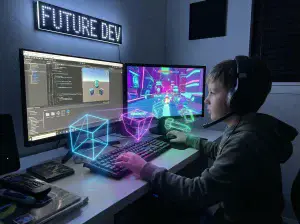
Parents don’t need to be coding experts to support their child’s learning journey. Encouragement, involvement, and access to the right tools can make a big difference. Coding helps kids develop problem-solving, logical thinking, and critical skills that benefit their education and future careers. Here’s how you can get started with the top resources for parents:
- Join Parent-Led Groups: Connect with other parents for advice, curriculum tips, and shared experiences.
- Explore Online Communities: Platforms like CodaKid offer events and family-oriented spaces for learning together.
- Use Beginner Guides: Resources like CodaKid’s “Coding for Kids: The Ultimate Guide for Parents in 2025” simplify coding concepts for non-technical parents.
- Try Tutorials: Step-by-step walkthroughs help parents stay involved without needing technical expertise.
- Leverage Parent-Friendly Platforms: Tools like progress trackers and detailed reports keep you informed about your child’s learning.
The key is staying engaged and showing interest. Ask about their projects, celebrate their progress, and connect with communities to share the journey.
Table of Contents
Coding for Kids | CodaKid Online Coding School
Top Resources, Forums, and Online Communities for Parents
Supporting your child’s coding journey is easier when you’re part of a community that understands the challenges and triumphs of the process. Joining forums or parent groups can provide valuable advice, shared experiences, and a sense of camaraderie.
Parent-Led Coding Groups
These groups, formed by parents who have been through the coding education journey with their kids, are a treasure trove of practical tips. They often discuss topics like picking the right curriculum, solving technical hiccups, and managing screen time effectively. Whether online or through local meetups, these peer-driven discussions can offer fresh perspectives and actionable advice that complement the resources provided by coding platforms.
Online Communities for Coding Families
Online spaces that cater to both parents and kids create an environment where families can engage with coding together. These communities often feature discussions on technical challenges, educational tools, and inspiring success stories. While forums specifically for parents focused on coding are still somewhat rare, broader family-oriented coding groups are growing in popularity and impact.
For example, CodaKid connects over 100,000 students from 140+ countries through events and giveaways, creating opportunities for shared learning and networking. Such platforms emphasize the value of social learning, showcasing how a strong community can enhance your child’s coding experience.

Finding the right community – whether a parent-led group or a family-focused forum – can make a big difference in building a supportive network. It’s a step that not only helps your child but also empowers you as a parent to guide them effectively through the world of coding. Up next, dive into resources and tutorials designed to simplify your role in this journey.
Helpful Guides and Tutorials for Parents
Navigating your child’s coding journey can feel overwhelming, but there are plenty of top resources for parents designed to make it easier. You don’t need a computer science degree to help your child succeed. Many guides and tutorials simplify coding concepts into easy-to-understand terms, making it possible for parents to play an active role in their child’s learning without diving deep into technical details.
Beginner’s Guides to Kids’ Coding
One standout resource is CodaKid’s “Coding for Kids: The Ultimate Guide for Parents in 2025“, published in July 2025. This guide is tailored specifically for parents, breaking programming concepts into clear, everyday language. It’s designed to demystify coding and empower you to support your child’s learning journey.
The best beginner guides focus on practical applications rather than overwhelming you with technical jargon. They explain what your child is learning, why it’s important, and how you can encourage their progress – even if you’ve never written a line of code yourself. Topics often include foundational concepts like algorithms, loops, and variables, explained through relatable, real-world examples.
These guides also address common concerns, such as managing screen time, choosing age-appropriate programming tools, and recognizing when your child is ready to tackle more advanced topics. Concrete project examples are often included to illustrate the skills your child will develop, helping you better understand their progress.
Combining these guides with insights from parenting communities can provide both technical knowledge and emotional support, creating a well-rounded foundation for your child’s coding journey.
Parent-Focused Tutorials and Walkthroughs
For parents looking to dive deeper, tutorials offer step-by-step guidance. These tutorials don’t just explain coding concepts – they show you how to actively support your child’s learning process. With clear walkthroughs and practical strategies, they make it easier for you to stay involved.
Expert instructors simplify complex ideas by breaking them into small, digestible steps that you and your child can grasp together. Even without prior coding experience, you can use these tutorials to build a supportive environment at home. Key strategies often highlighted include:
- Showing enthusiasm for your child’s progress to foster a positive atmosphere.
- Setting aside regular coding time to establish a consistent routine.
- Encouraging problem-solving and critical thinking to develop essential skills.
- Providing the right tools and technology to ensure smooth learning.
- Connecting with coding communities for peer support and collaboration.
- Celebrating milestones and completed projects to boost confidence and motivation.
Some tutorials even provide access to recorded lessons or live class observations, giving you a firsthand look at how coding is taught. This can help you better understand your child’s learning process and spark meaningful conversations about their projects.
Real-life testimonials from parents underscore the effectiveness of these strategies. For instance, Odunayo Susan Akanni shared:
“My 7 year old who started learning to code at 6, has made such an amazing progress, they start from basics, and make every lesson personal.” – Odunayo Susan Akanni, Parent
Additionally, many tutorials include troubleshooting tips for common technical issues, advice on how to discuss coding concepts with your child, and guidance on when to seek extra help or resources. These tools ensure you’re well-equipped to support your child at every step of their coding journey.
Coding Platforms and Tools with Parent Support Features
When choosing a coding platform for your child, look for options that provide clear progress tracking and parent-friendly features. These elements make coding education a team effort, allowing parents to stay involved and informed.
CodaKid‘s Parent Support Features
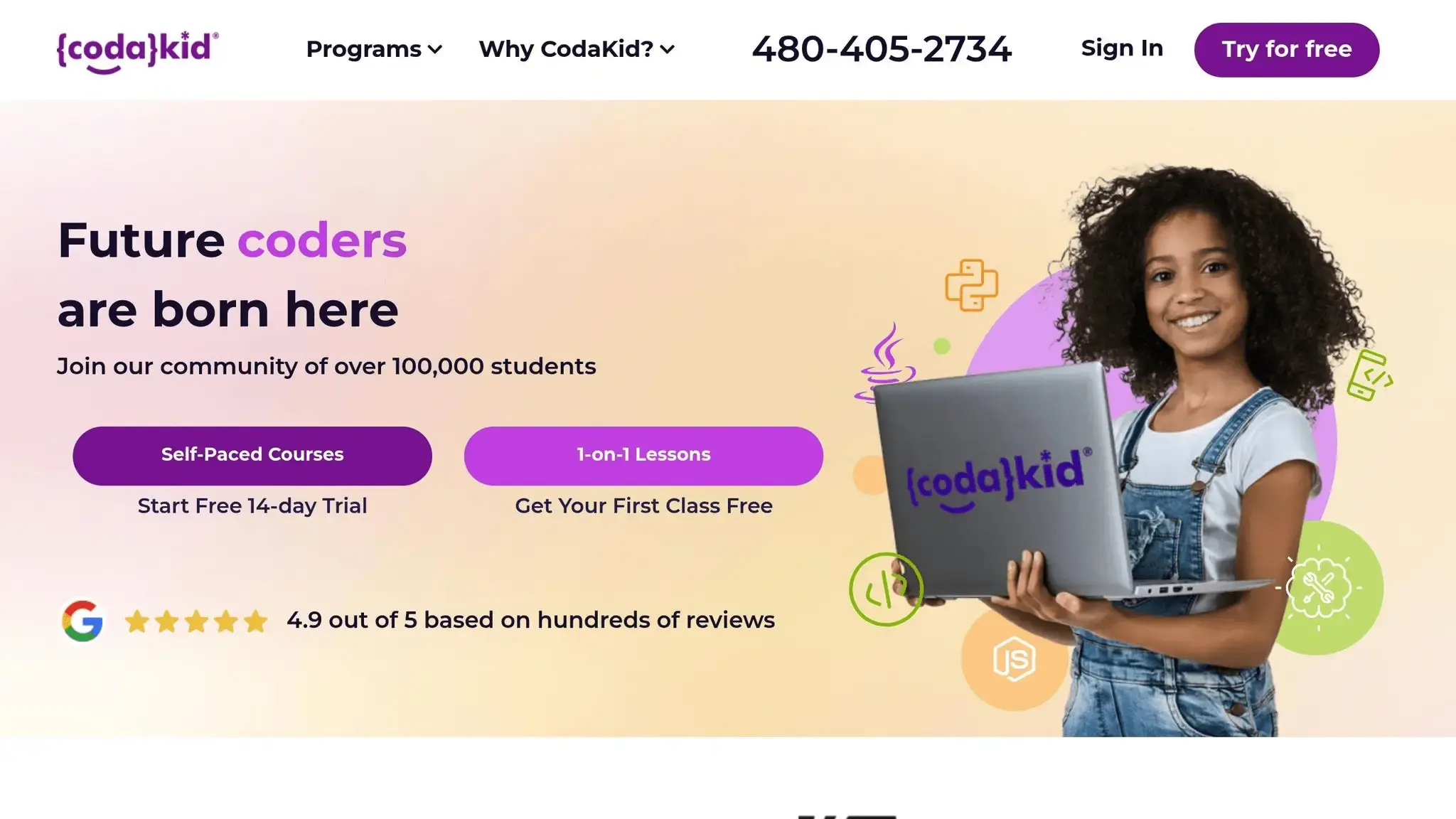
CodaKid offers a variety of learning options tailored to different needs, all designed with parent-friendly features in mind. Their programs include Self-Paced Courses, Private 1:1 Lessons, and Virtual Camps, giving families flexibility and control over their child’s learning experience.
- Self-Paced Courses: For $29 per month, you get unlimited access to more than 85 courses covering topics like AI, Python, JavaScript, Minecraft modding, and Roblox development. The courses emphasize project-based learning, and live help desk support is available to assist whenever challenges arise.
- Private 1:1 Lessons: At $249 per month, these lessons offer a personalized experience with dedicated instructors. Flexible rescheduling makes it easy to fit sessions into your family’s schedule, and weekly progress reports keep you updated on what your child is learning. You can even collaborate with the instructor to set specific goals that align with your child’s interests and needs.
CodaKid also provides detailed curriculum insights, so you can review course descriptions, learning objectives, and outcomes before enrolling. This transparency helps you understand how each course contributes to your child’s skill development and future opportunities.
Beyond the learning itself, CodaKid ensures parents stay in the loop with robust progress-monitoring tools.
Tools for Tracking Your Child’s Progress
Many coding platforms now include tools that keep parents informed about their child’s progress in real-time. These tools often feature dashboard-style interfaces that display key metrics like time spent, projects completed, and skills mastered.
Automated progress reports delivered via email offer regular updates on your child’s achievements, challenges, and upcoming goals. Notification systems alert you to major milestones or project completions, giving you opportunities to celebrate their success and offer encouragement.
Visual tools, such as video portfolios and project galleries, provide a tangible way to see your child’s work. These not only make it easier to discuss their learning journey but also suggest activities to further enhance their skills. With these tools, staying engaged in your child’s coding education becomes effortless and rewarding.
Conclusion: Helping Parents Support Their Kids’ Coding Skills
The tools and tips shared above can make a big difference in how you support your child’s coding journey. You don’t need to be a coding expert to stay involved – today’s coding resources are designed to help parents engage in meaningful ways without feeling overwhelmed.
Parent-led coding groups and online communities are great starting points. They provide practical advice, help you troubleshoot common challenges, and connect you with other families who are on similar paths. These connections can make the process feel less daunting and more collaborative.
For those new to coding, beginner guides and tutorials tailored for parents are invaluable. They simplify complex topics, helping you understand what your child is learning. These resources also give you conversation starters, so you can ask informed questions about their latest Python project or Minecraft creation. Showing interest in their work can be a huge motivator for your child.
Additionally, coding platforms with parent-friendly features make it easy to stay in the loop. Tools like progress trackers, automated reports, and project portfolios provide clear insights into your child’s growth. You can celebrate their achievements, spot areas where they might need extra encouragement, and guide their learning journey with confidence. These features turn coding into a shared family experience.
The key is finding the right mix of resources that works for your family’s unique needs and schedule. Whether you prefer joining forums to share ideas or using progress trackers to stay informed, these tools help you stay connected to your child’s success. Start small, choose a resource that feels manageable, and build from there. Your involvement, no matter how big or small, can inspire your child’s passion for technology and set them up for future success.
FAQs (Top Resources for Parents)
How can I connect with other parents in coding communities to support my child’s learning?
Joining a parent-led coding group is a fantastic way to encourage your child’s learning while building connections with families who share similar interests. To get started, dive into online forums or social media groups that focus on coding education for kids. Platforms like Facebook and Reddit often host active communities where parents exchange resources, advice, and experiences.
Don’t overlook local opportunities either. Schools, libraries, or community centers might host coding clubs or events designed for parents and children to participate together. If your child is enrolled in an online coding program like CodaKid, consider exploring their community forums or reaching out to their support team to find out if they offer any parent-specific groups or resources. These connections can make learning coding a more interactive and enjoyable experience for both you and your child.
How can I manage my child’s screen time while supporting their interest in coding?
Balancing your child’s screen time while nurturing their love for coding can feel tricky, but it’s entirely doable with a few thoughtful strategies:
- Set clear boundaries: Define specific time limits for coding and other screen-related activities to promote a healthy balance in their daily routine.
- Mix it up: Encourage a variety of activities, like outdoor play, reading, or hands-on creative hobbies, to support their overall growth and development.
- Make coding exciting: Pick projects or platforms that align with your child’s personal interests to keep them engaged and motivated.
- Encourage breaks: Remind them to take short, regular breaks during coding sessions to stay focused and avoid eye strain.
- Lead by example: Show balanced screen habits in your own life to inspire and guide your child.
With a mix of structure and engaging activities, you can help your child explore their passion for coding while maintaining a healthy relationship with technology.
What should I look for in a coding platform to help track my child’s learning progress effectively?
When selecting a coding platform for your child, focus on features that help you stay connected to their learning experience. Choose a platform with a user-friendly interface so both you and your child can easily find your way around. Look for ones that include progress tracking tools, like detailed reports or dashboards, to keep you updated on their accomplishments and areas where they might need extra help. It’s also worth considering platforms that offer parental monitoring features to ensure a secure and engaging space for your child to explore coding.